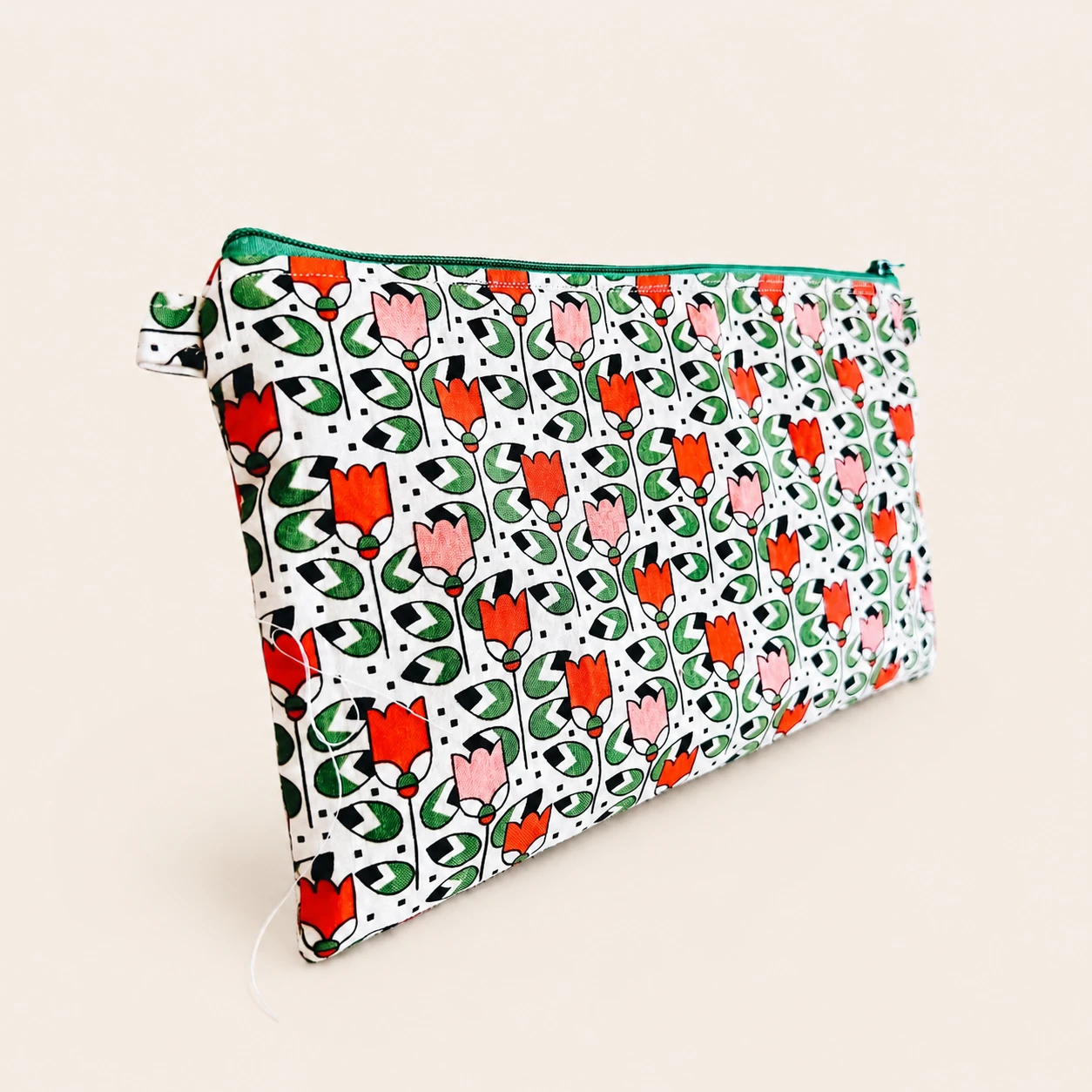
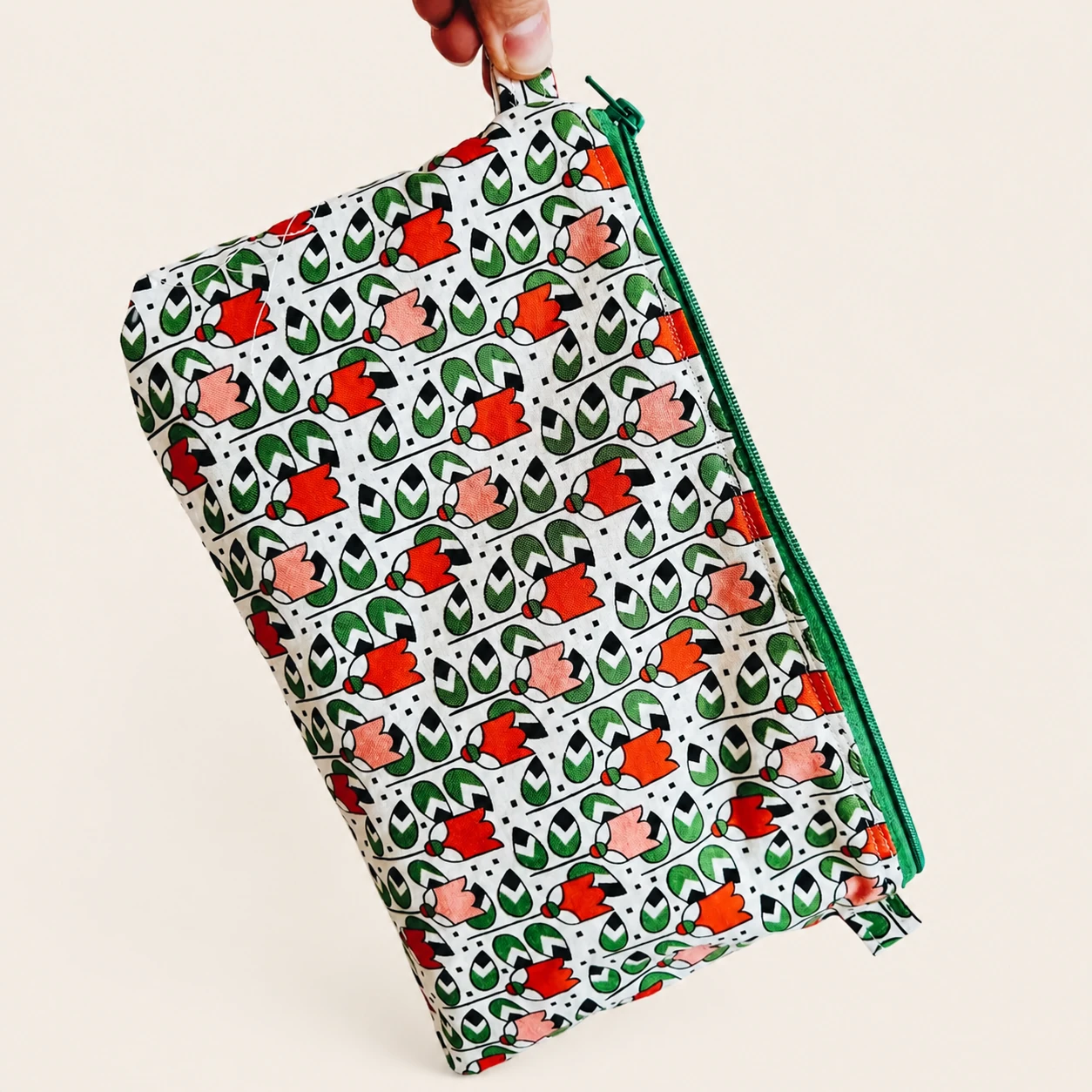
From the Studio
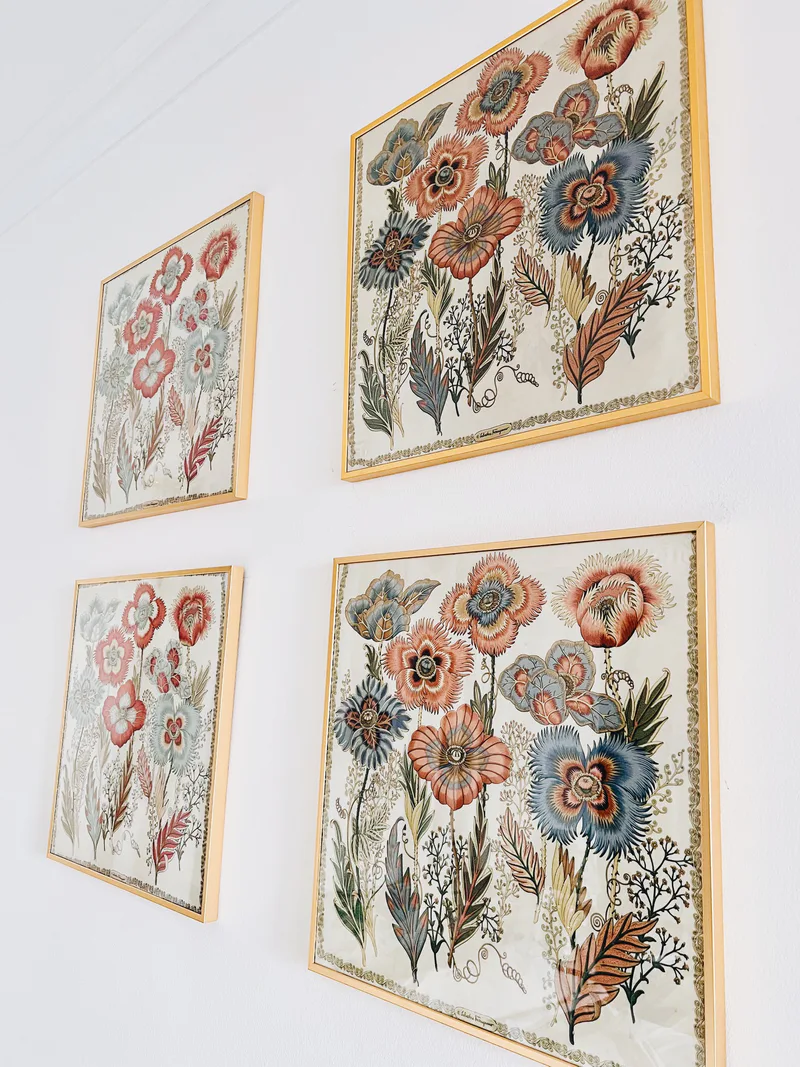
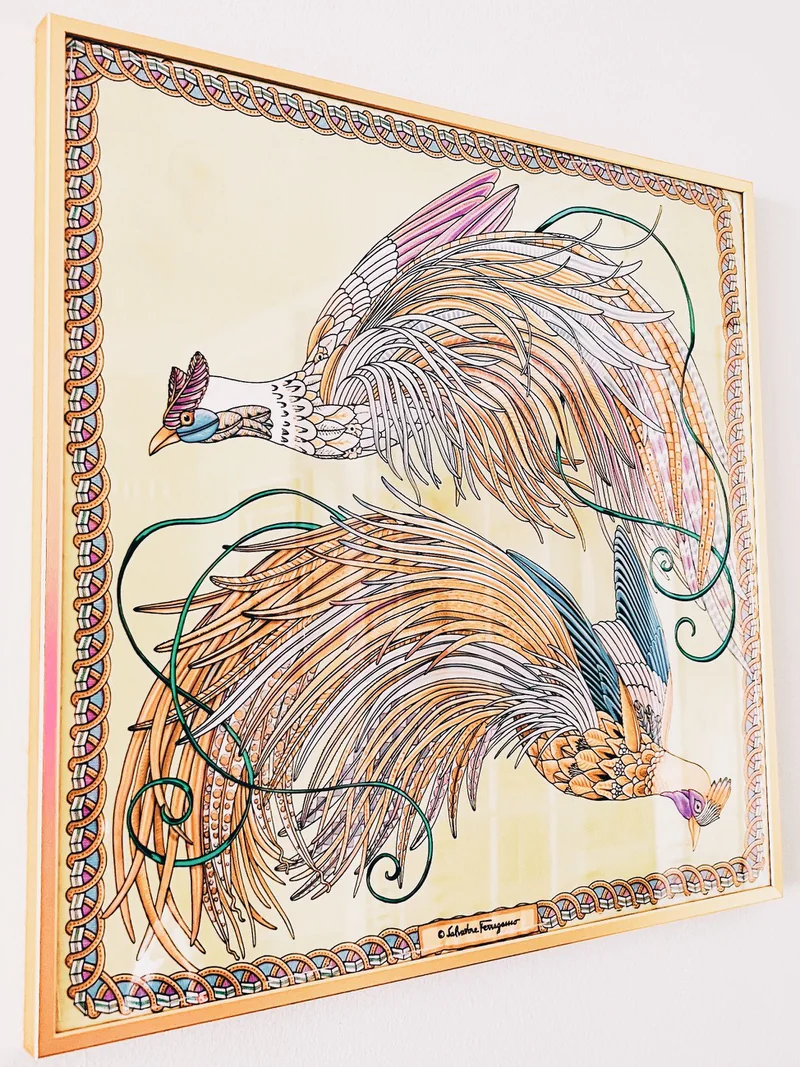
Vintage Ferragamo silk, rescued and framed by hand.
Explore Framed Vintage Silks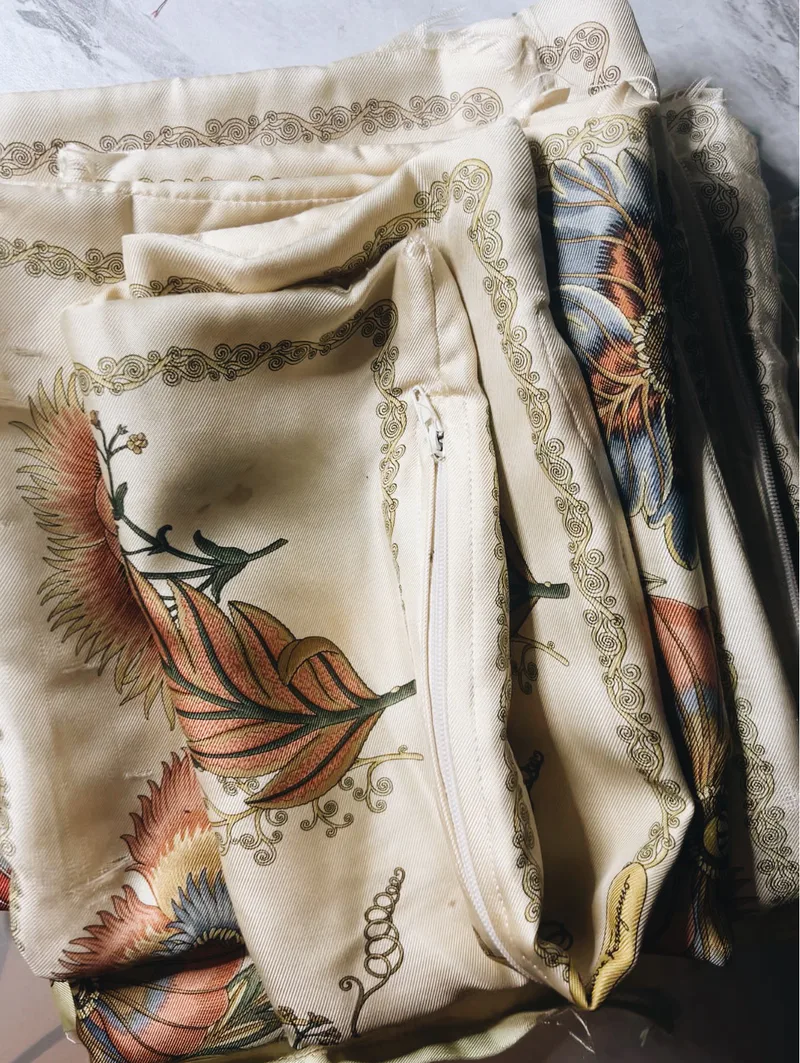
From the Studio
A vintage Ferragamo silk cushion cover, too delicate for use, carefully separated into two panels and hand-sewn to mat board for framing.

From the Studio
An unwanted tablecloth, remade as a one-of-a-kind circle skirt.
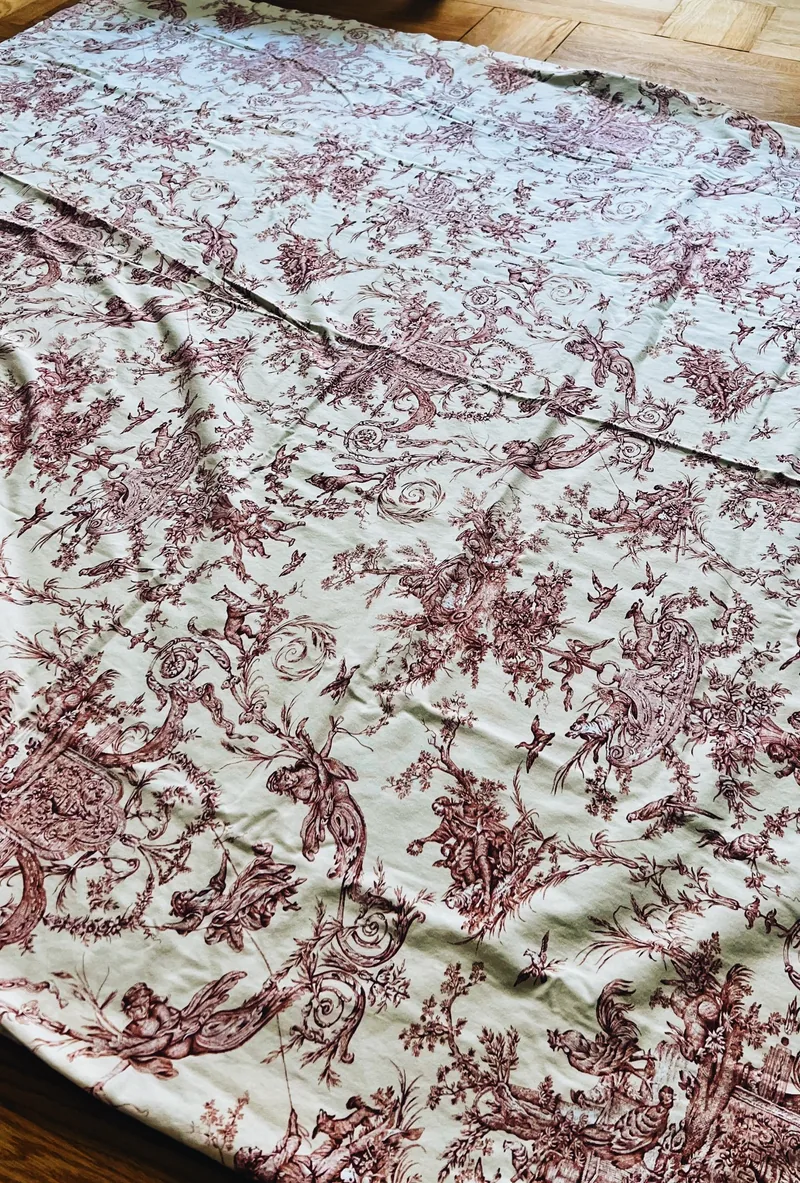
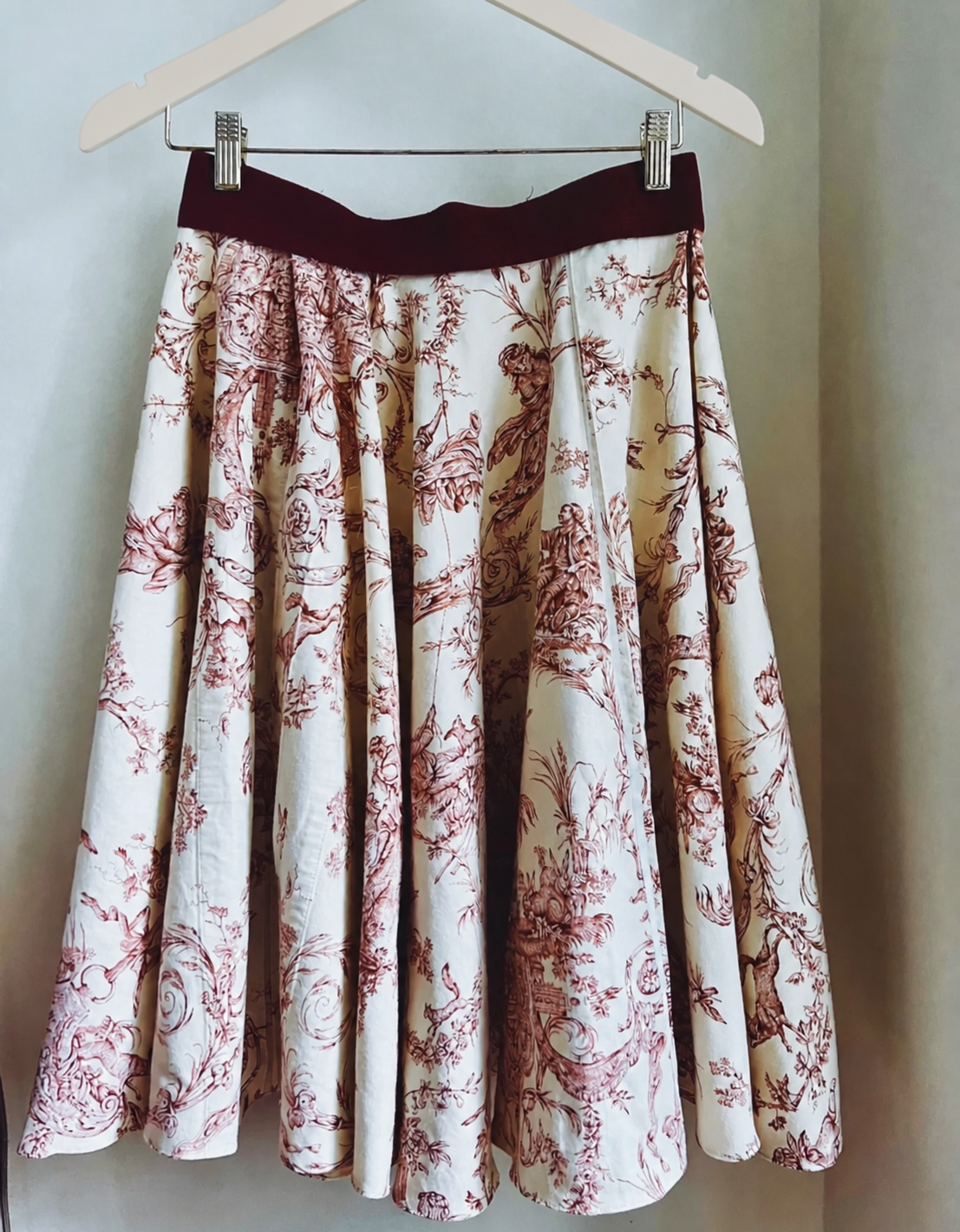
One-of-a-kind pieces made from reclaimed, recycled, and remnant textiles.
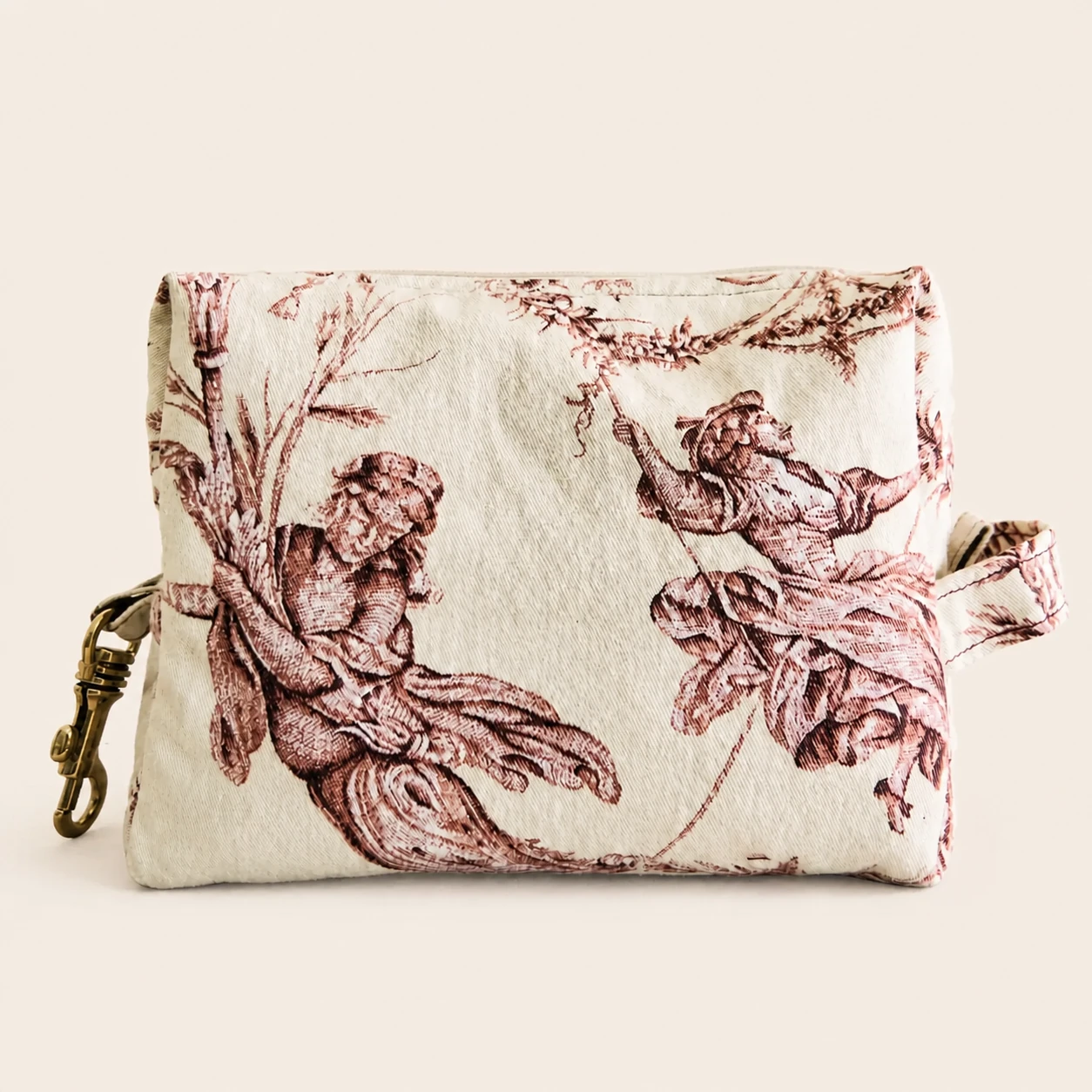
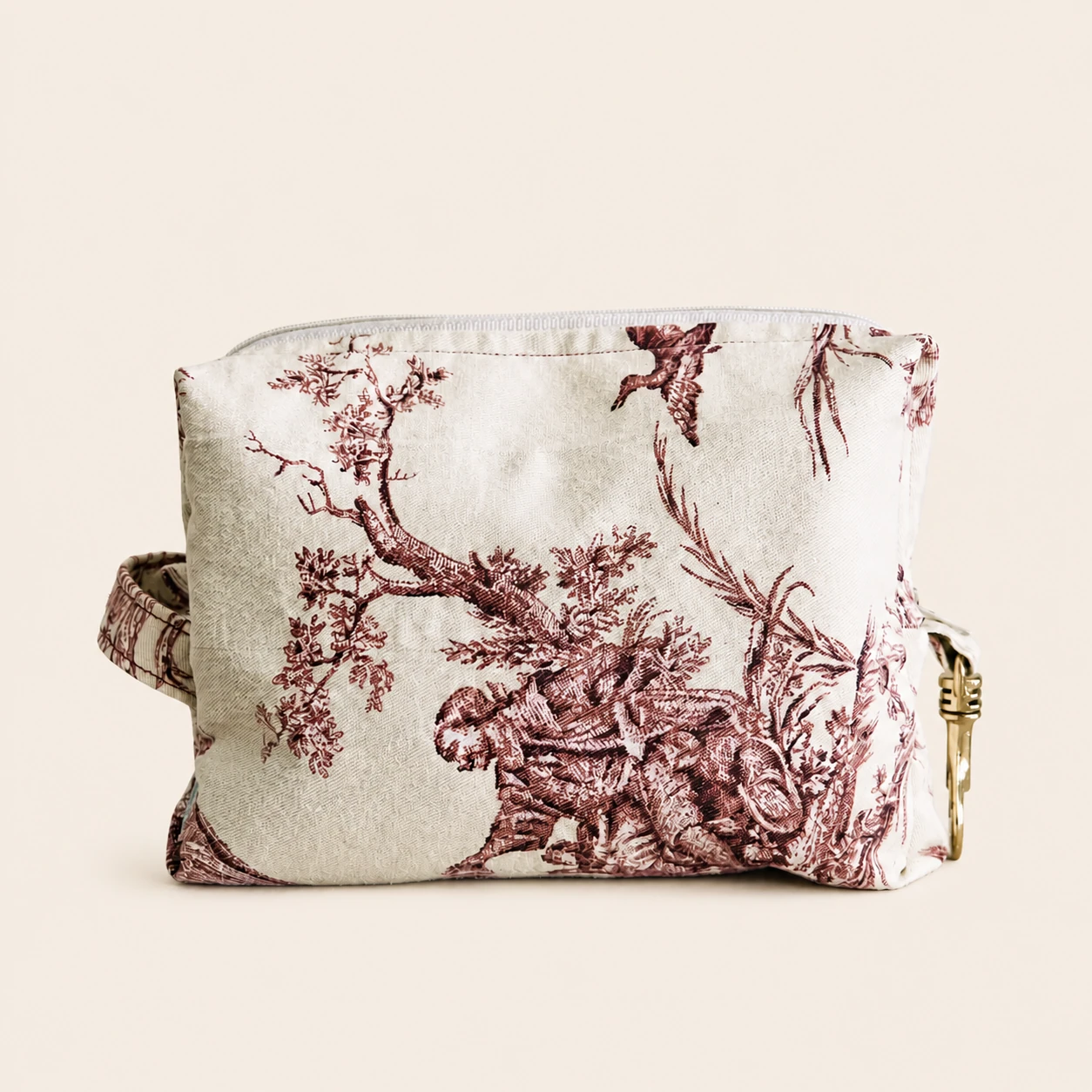
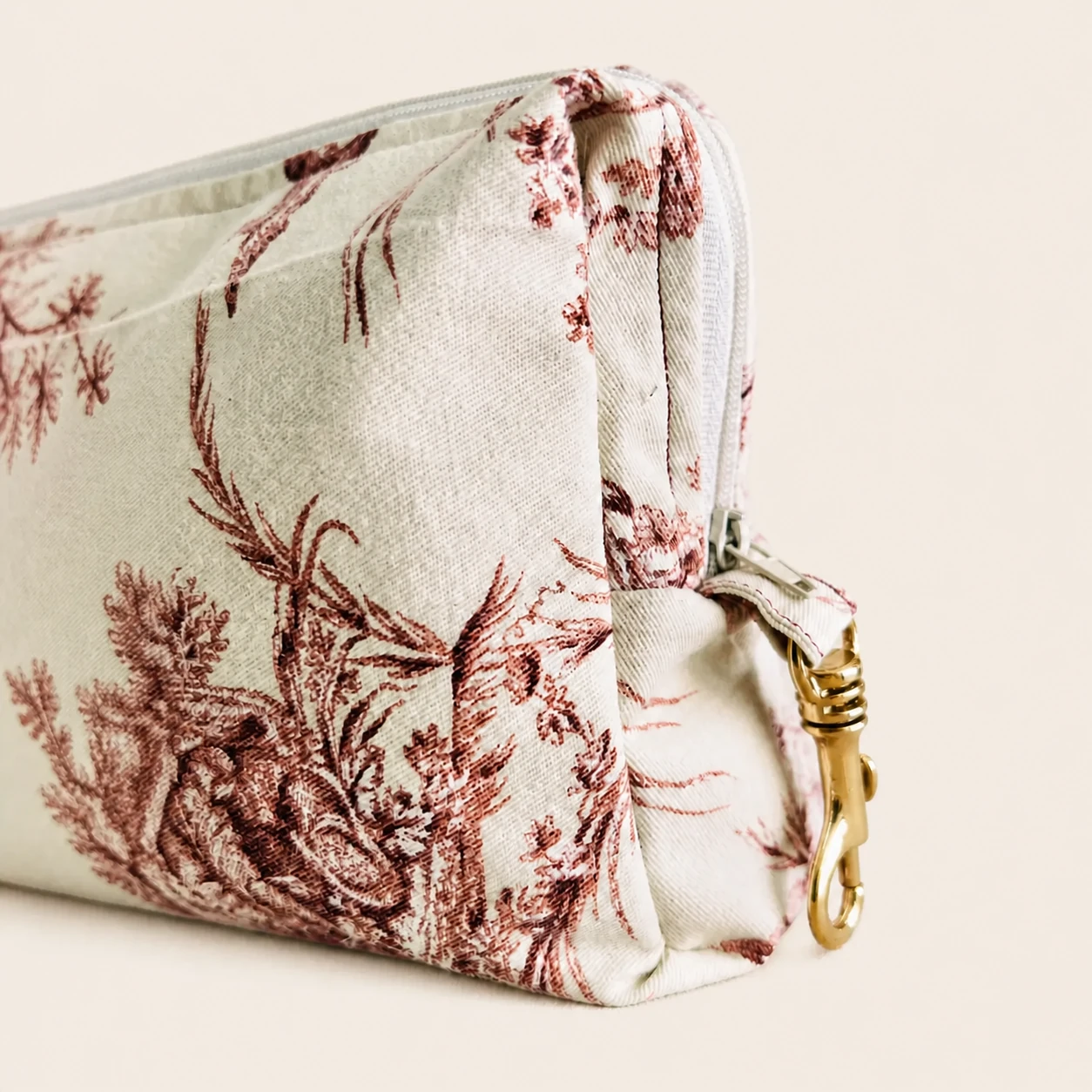
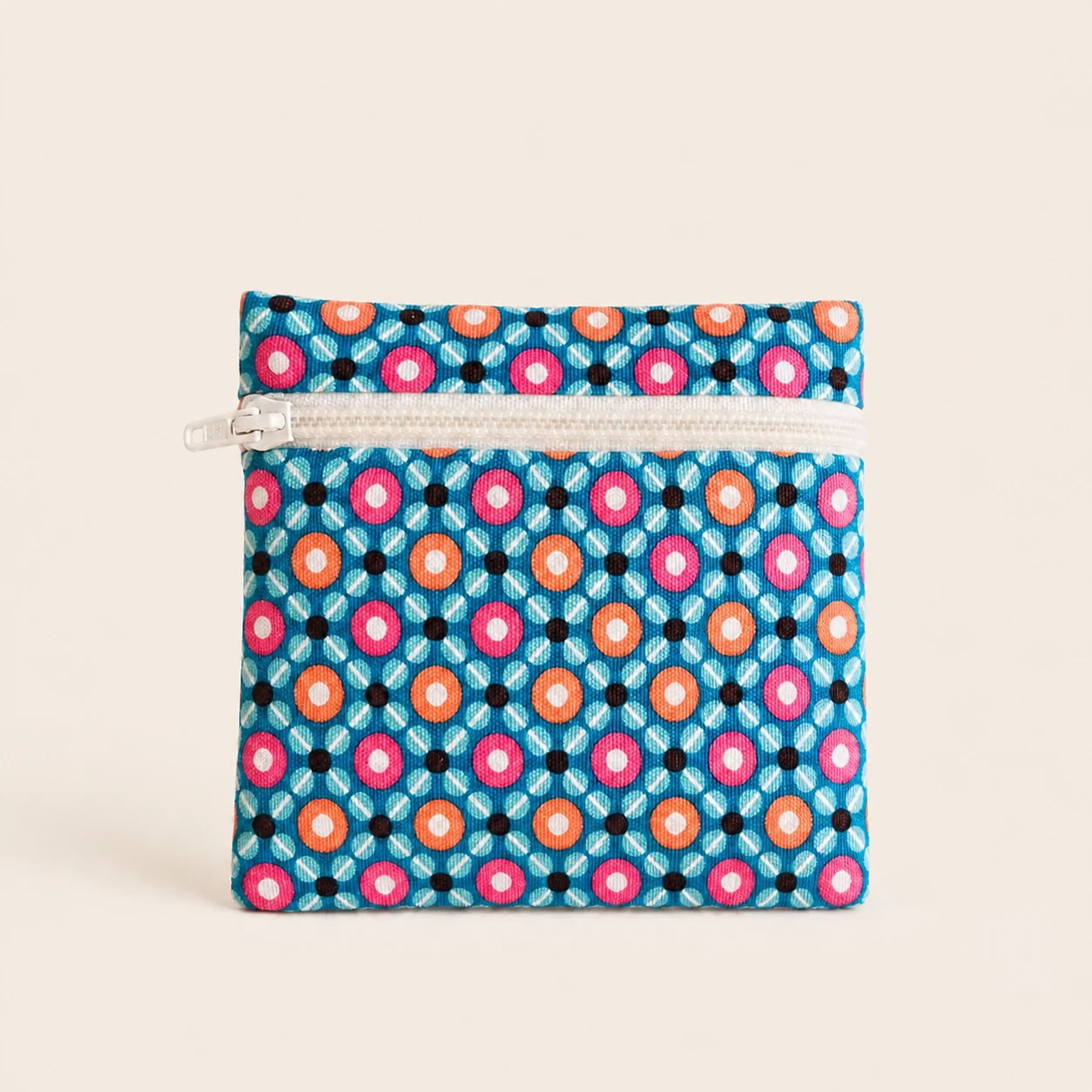
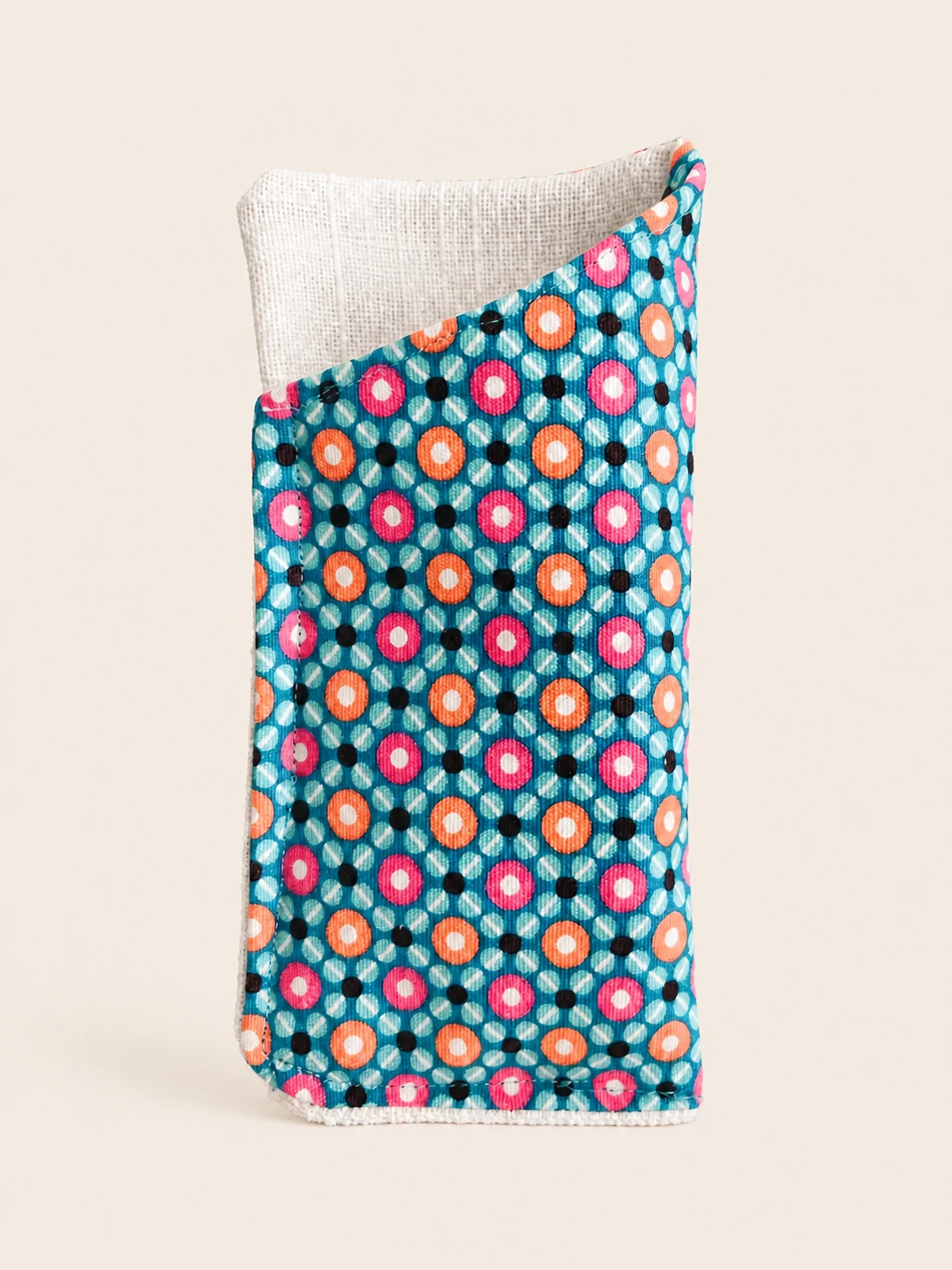
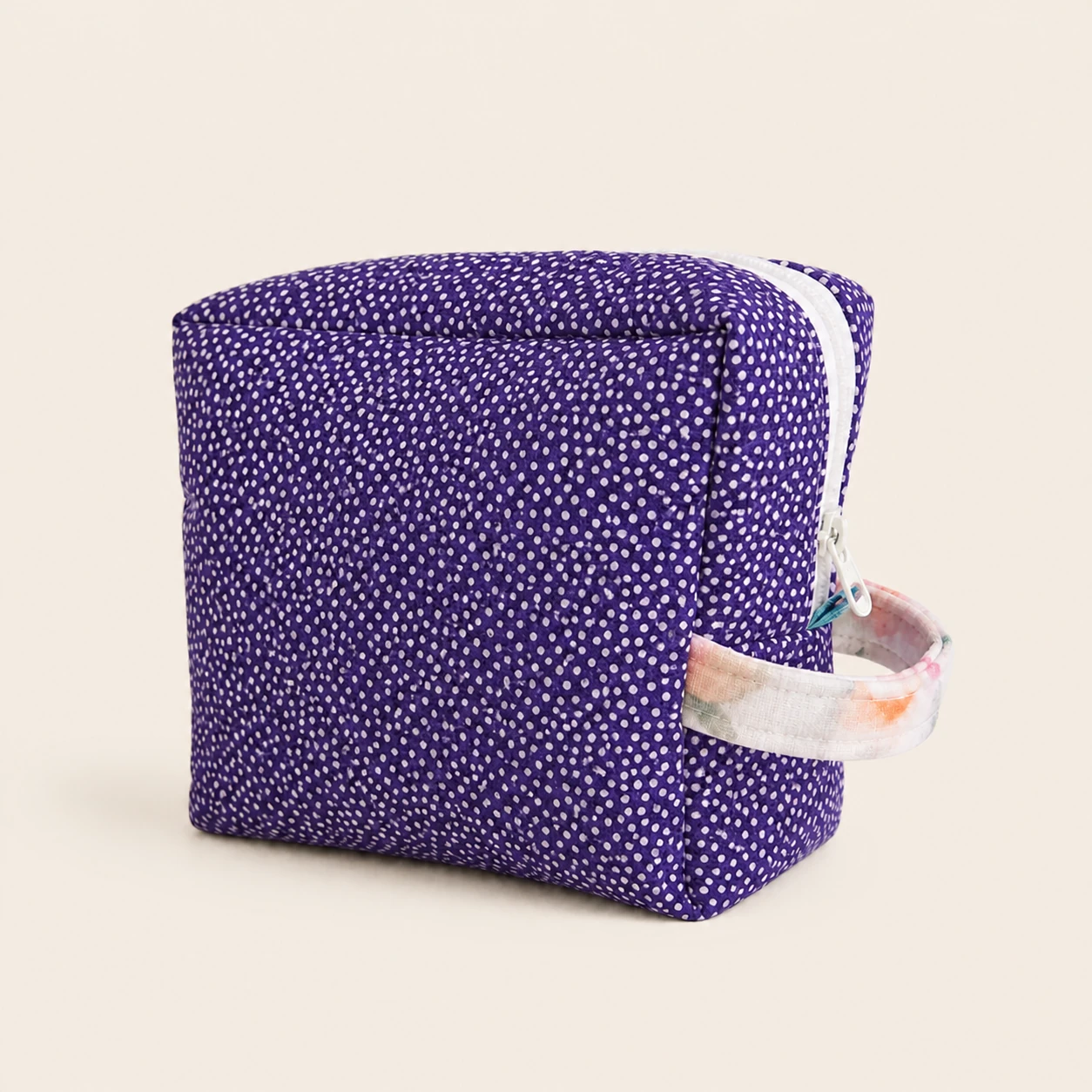
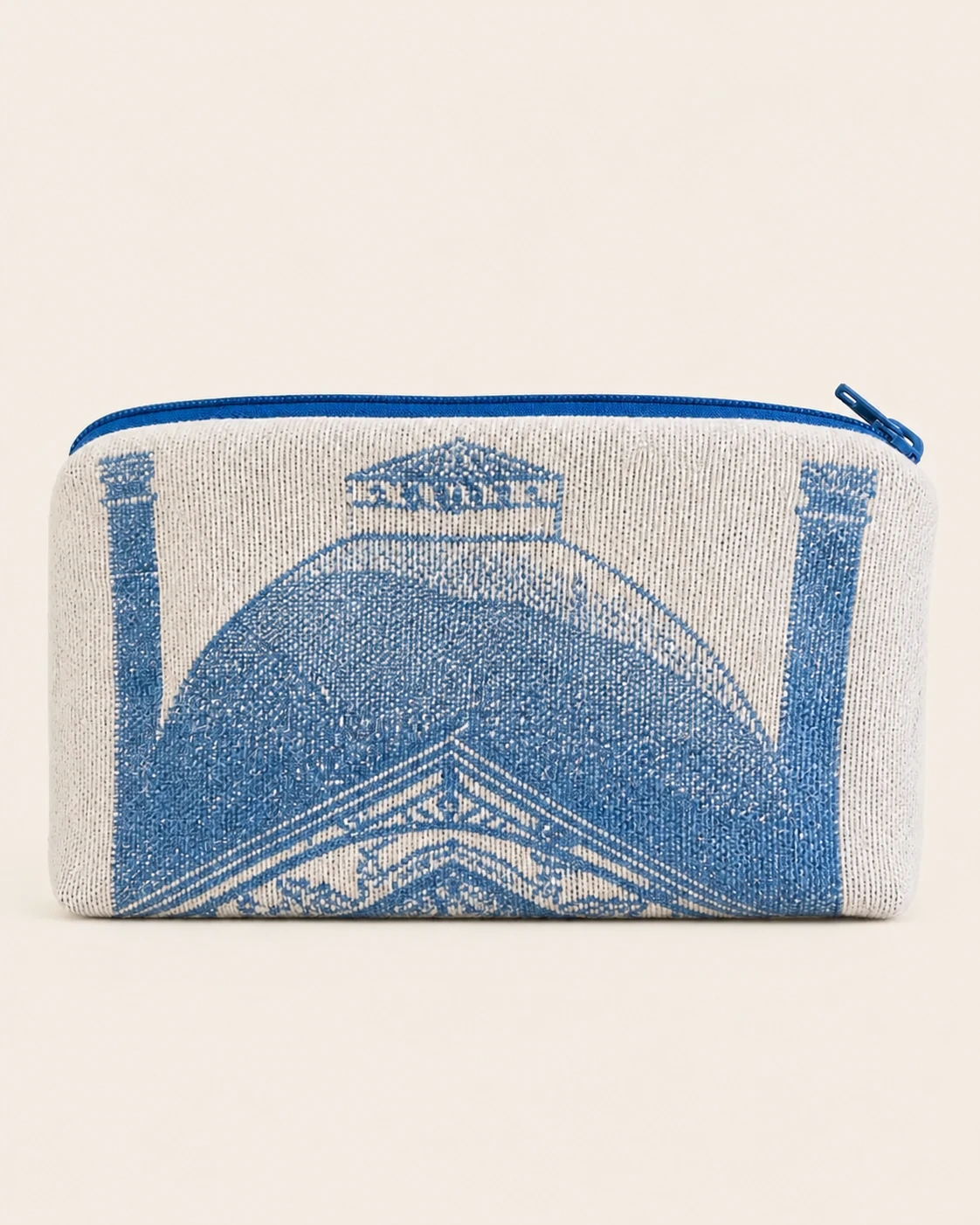
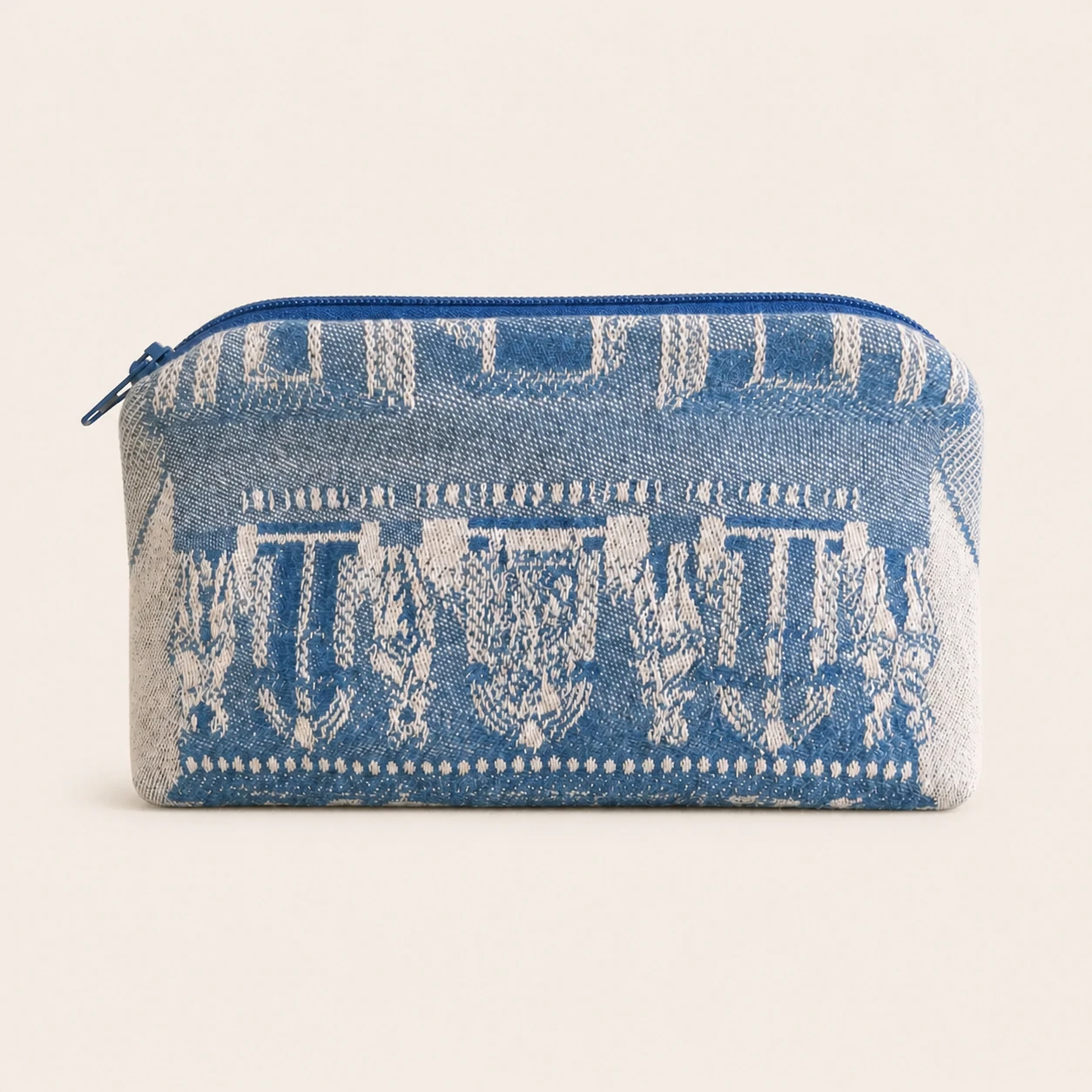
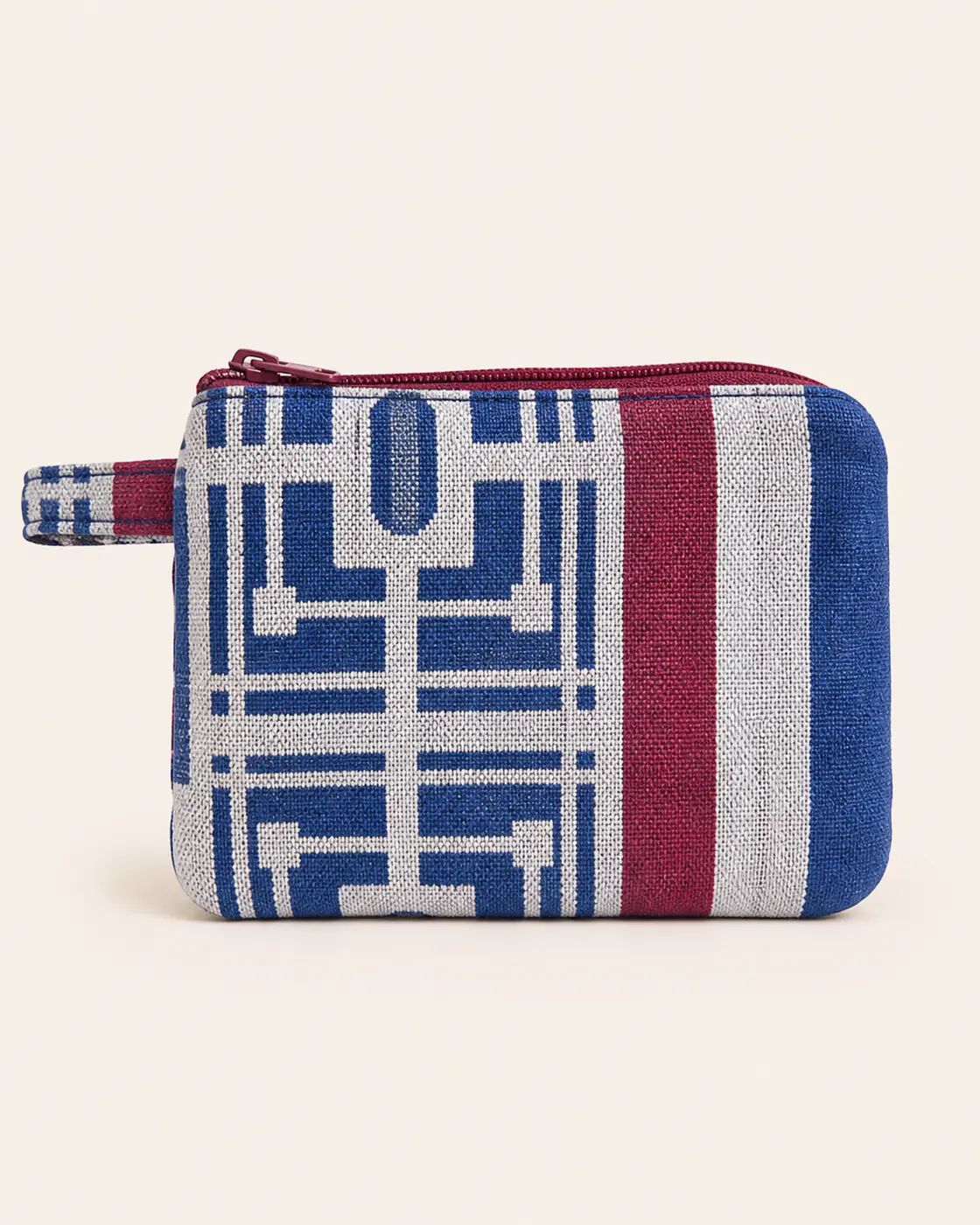
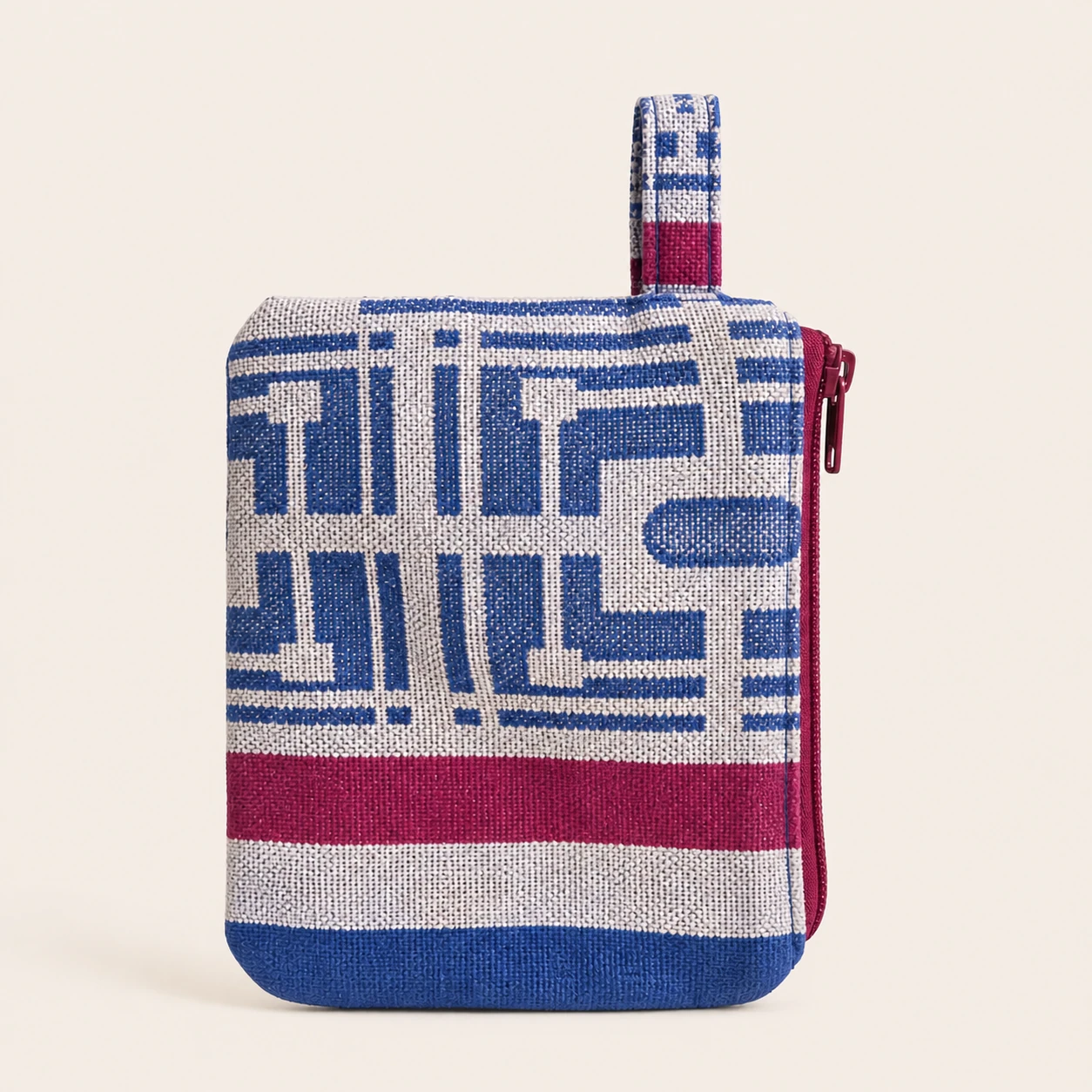
One-of-a-kind pieces that have already found new homes.
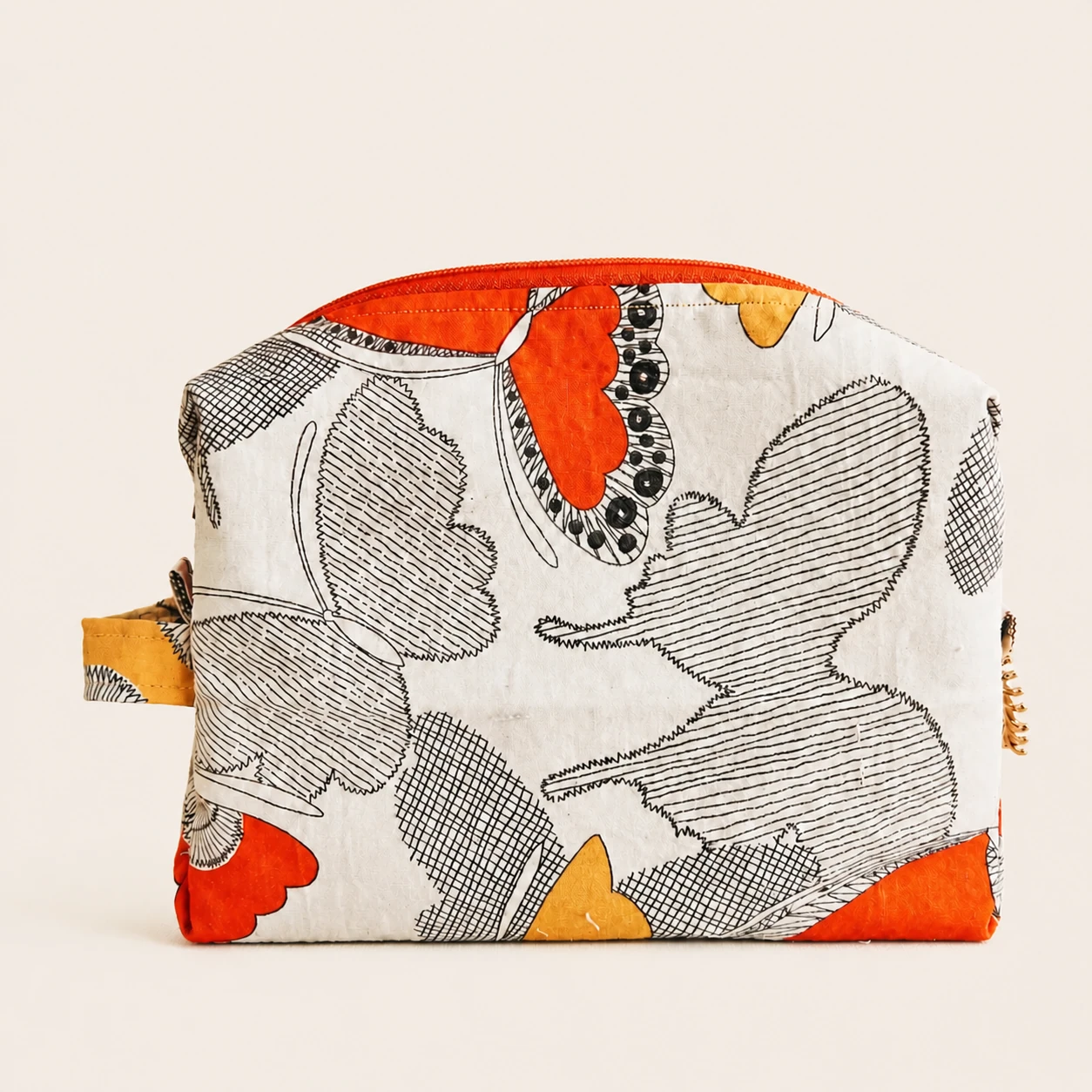
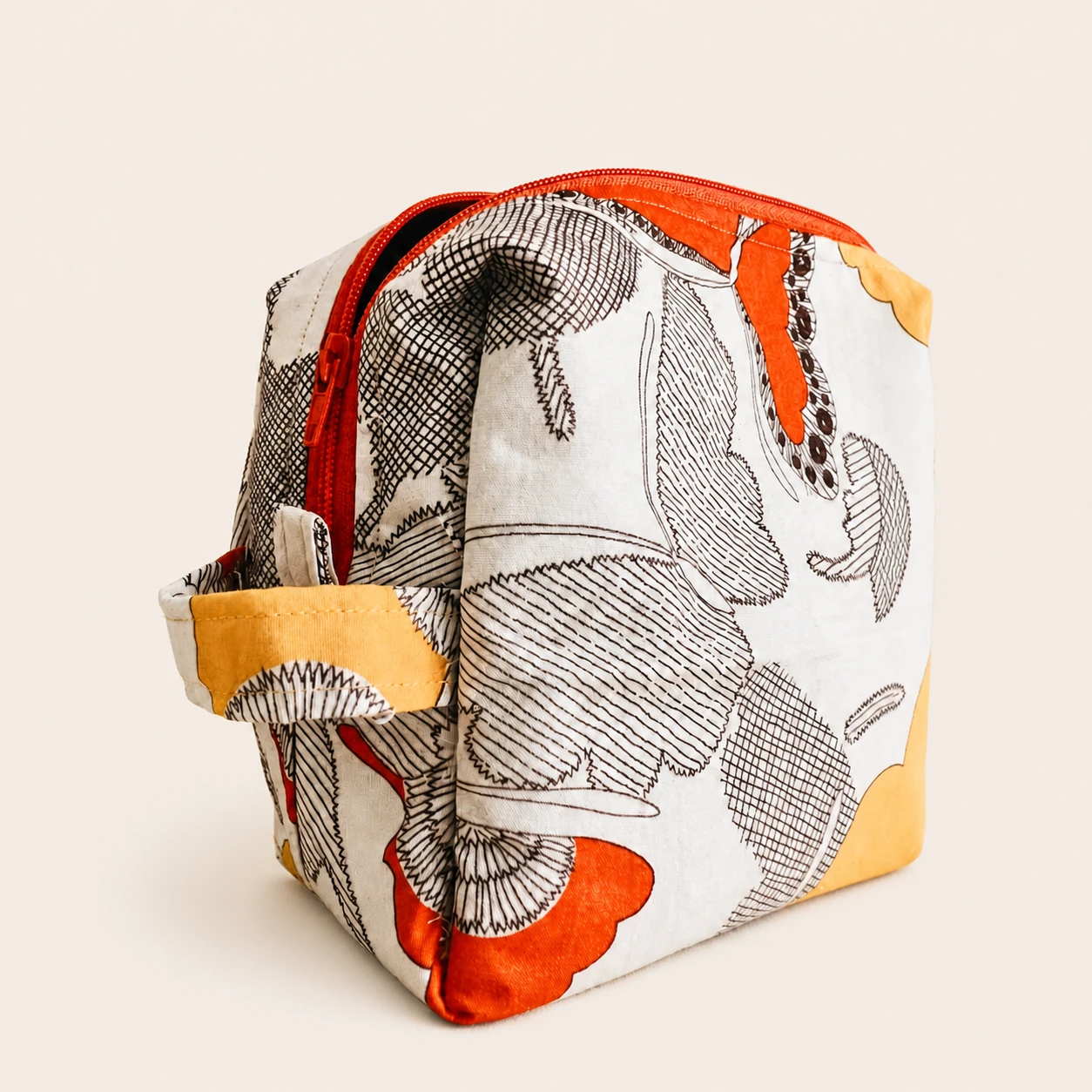
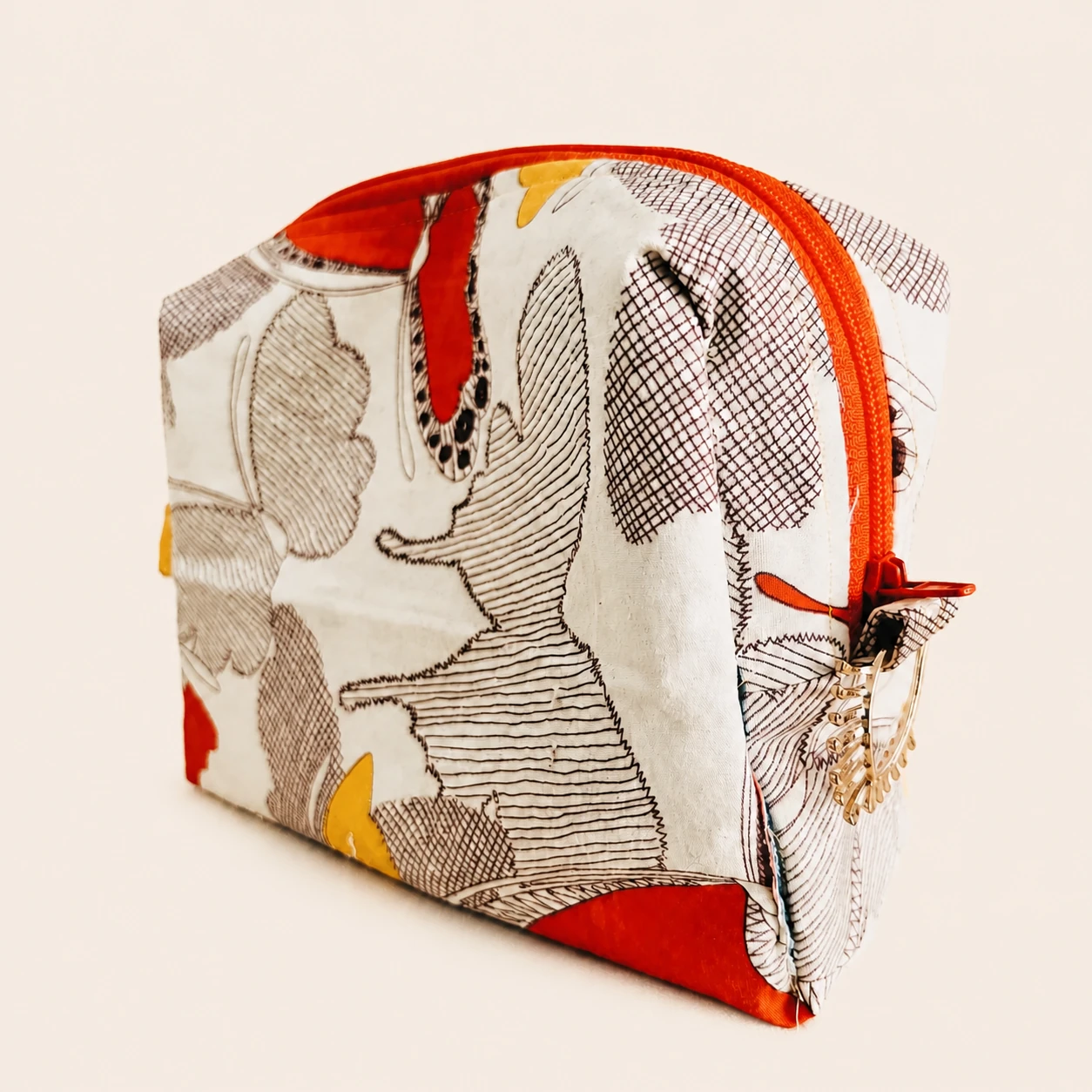
Made from a cotton remnant given to the studio.
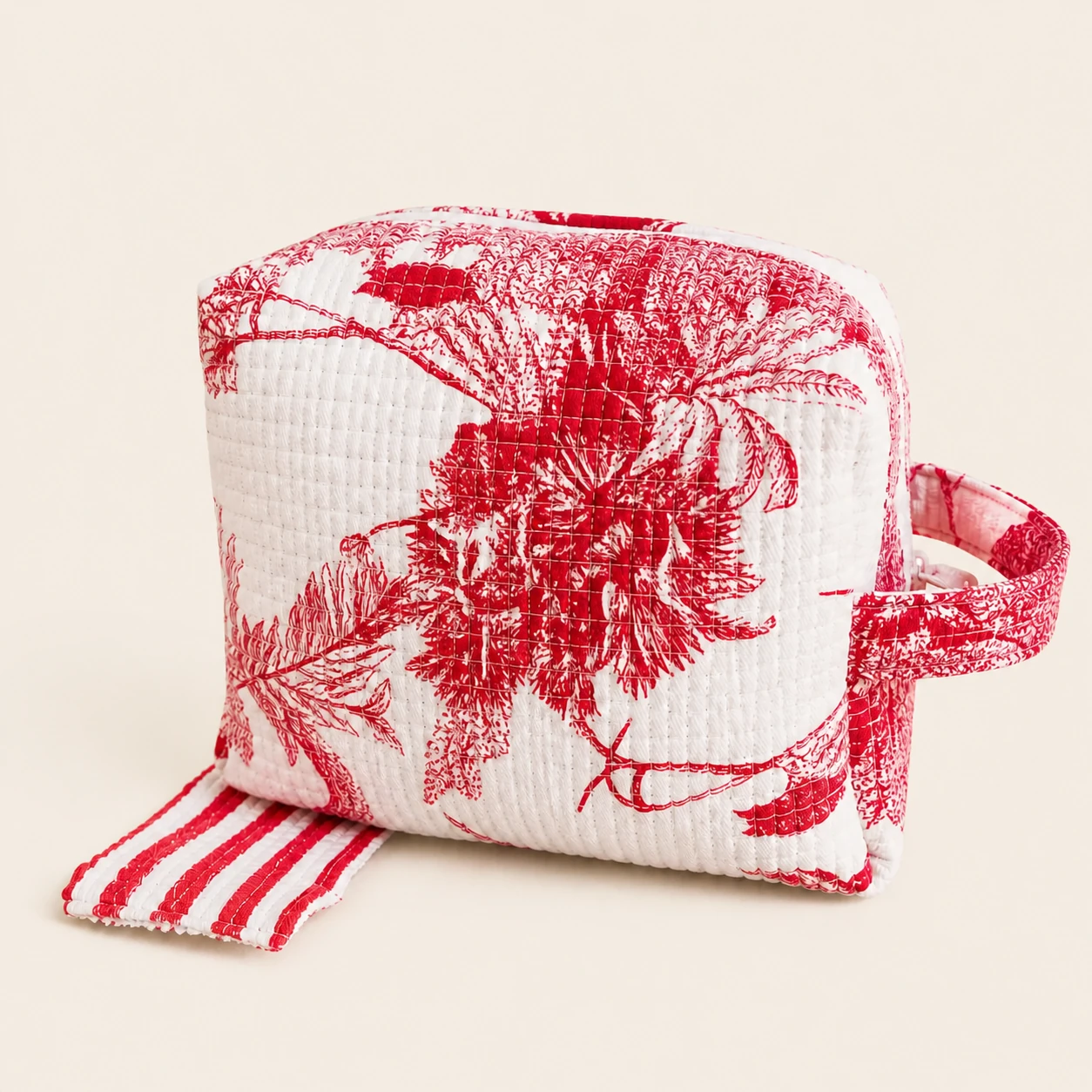
Made from an unused quilted jacket found at Portobello Road Market in London.
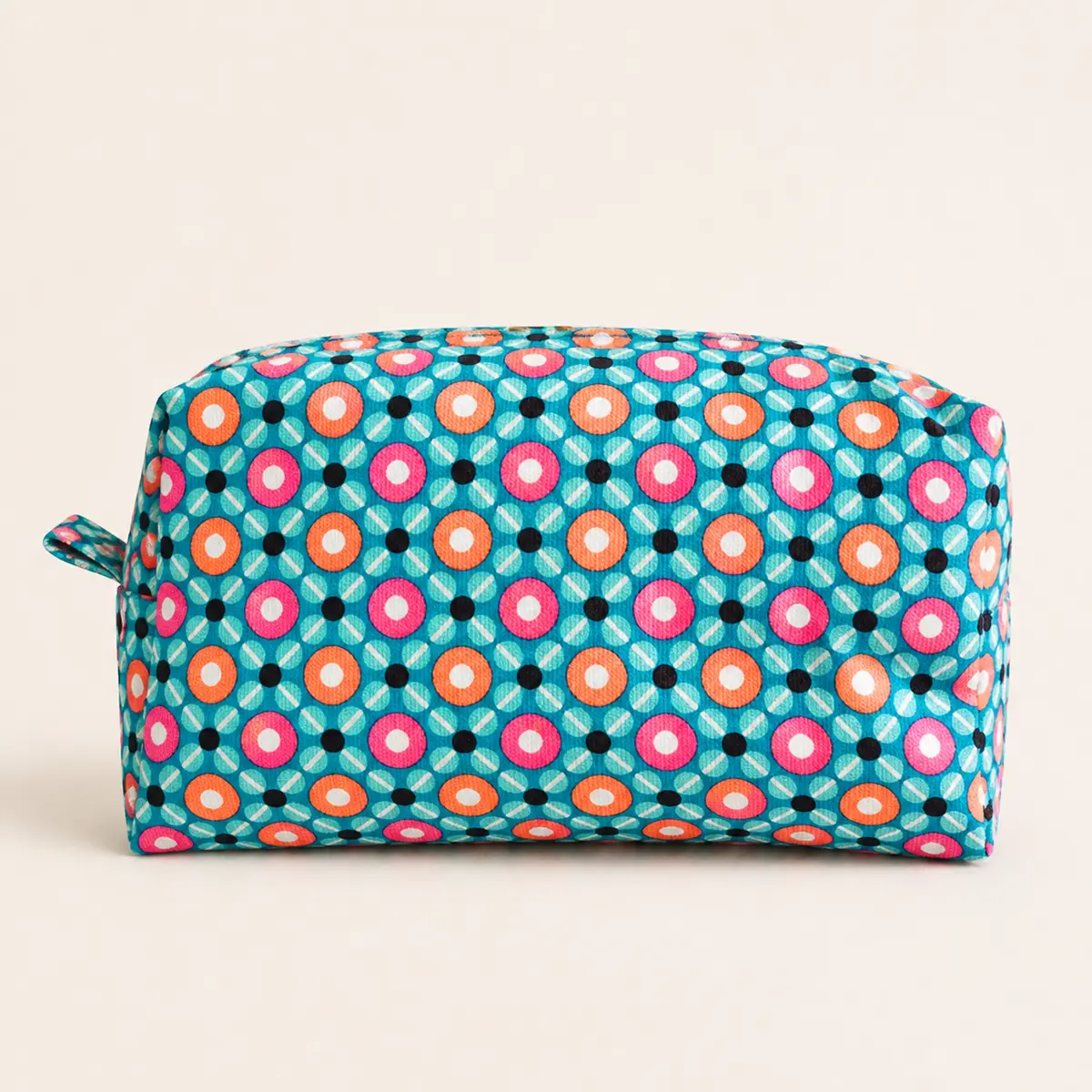
Made from a dotted cushion cover sourced in Paris.
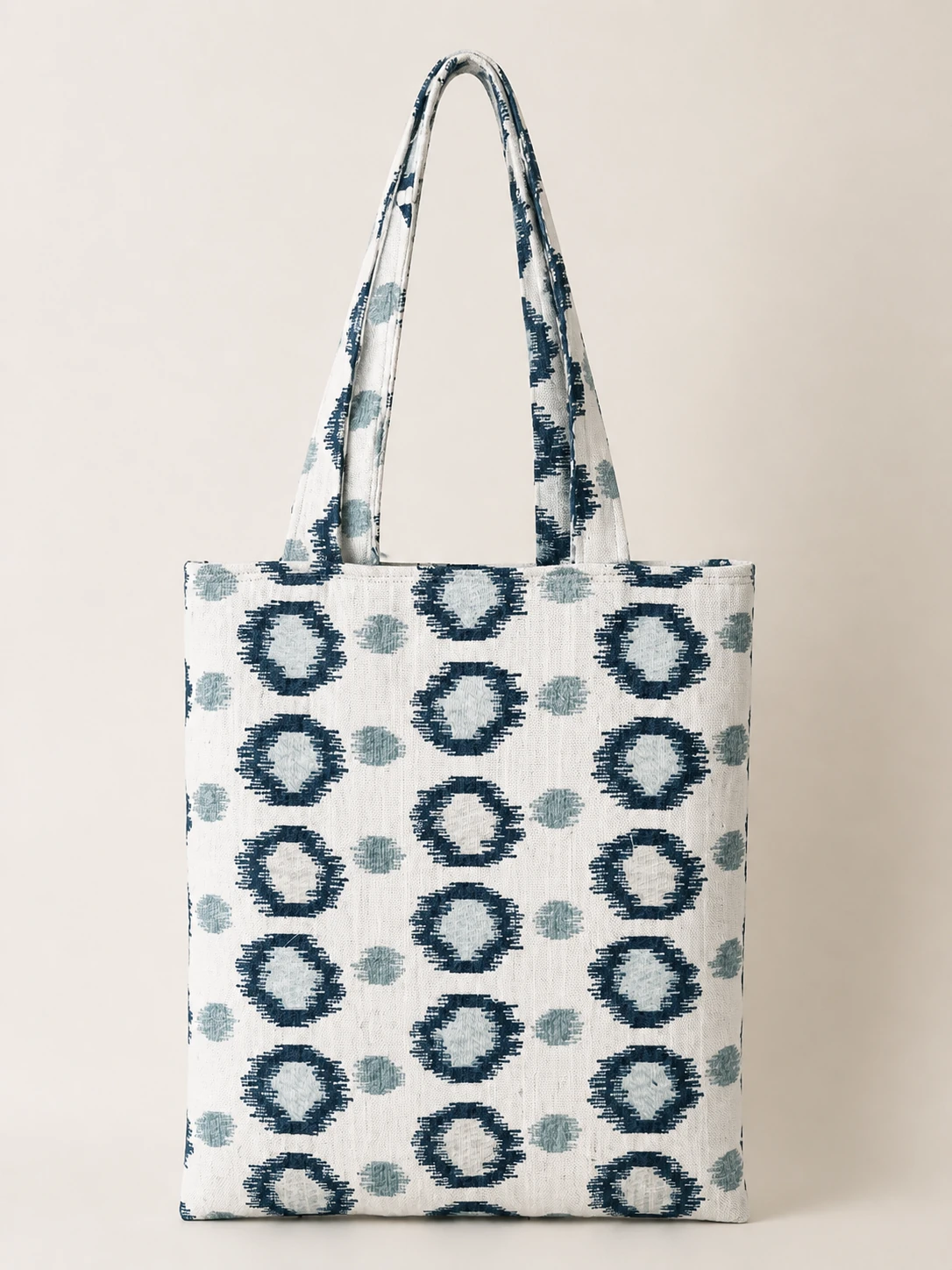
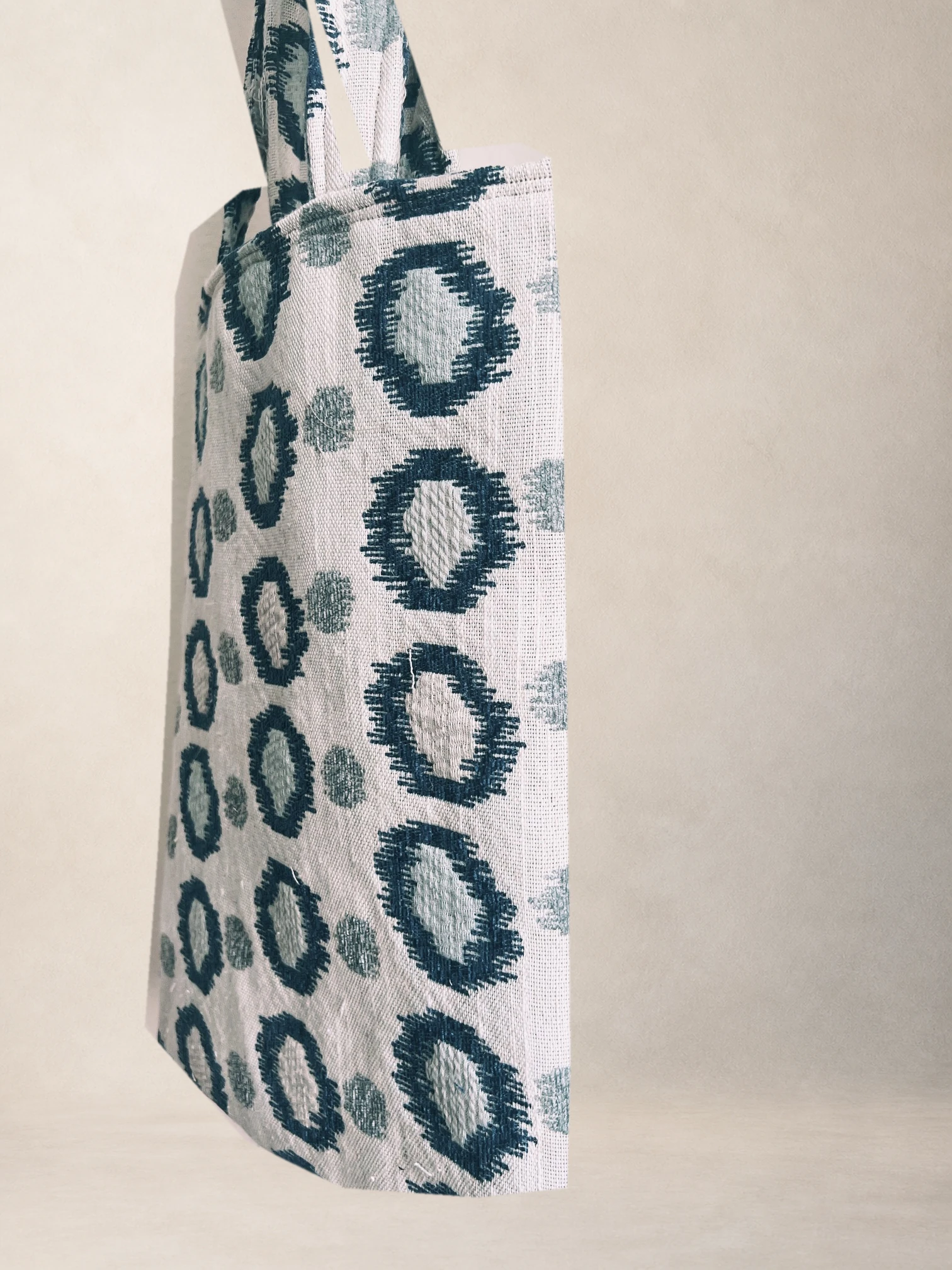
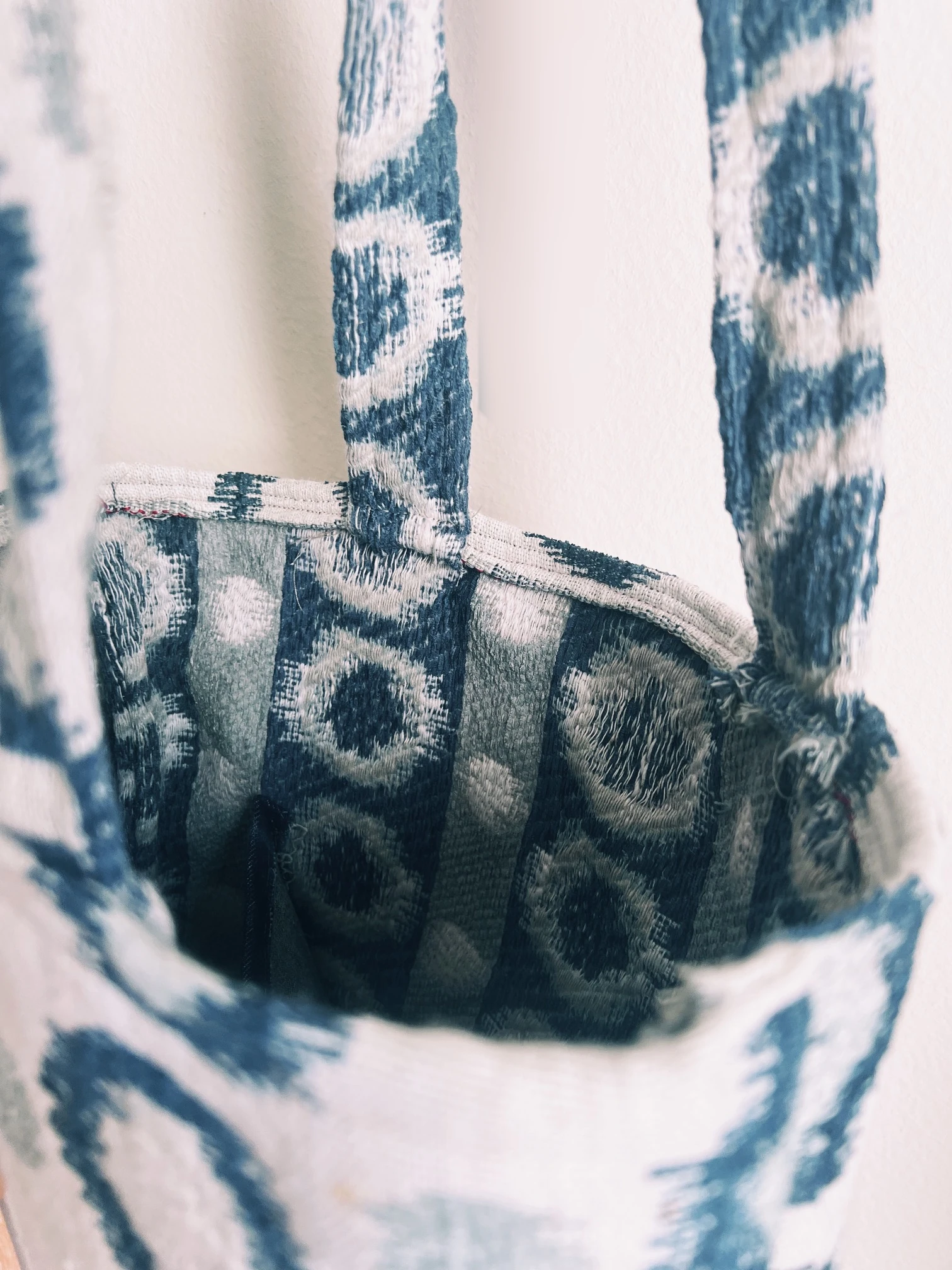
Featuring Ditto River Blue Ikat Dot Jacquard.
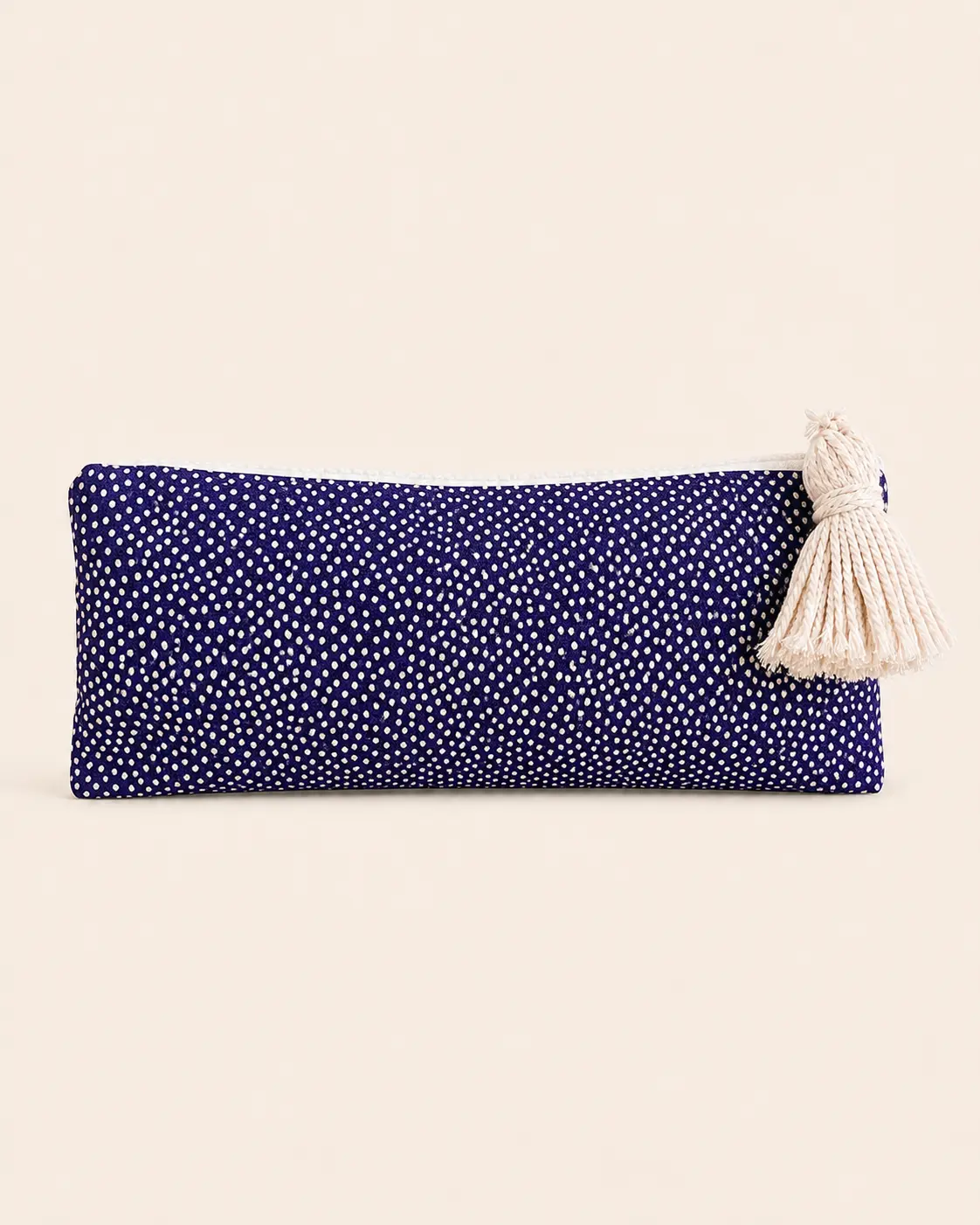
Made from deep purple deadstock cotton originally intended for a button-down shirt.
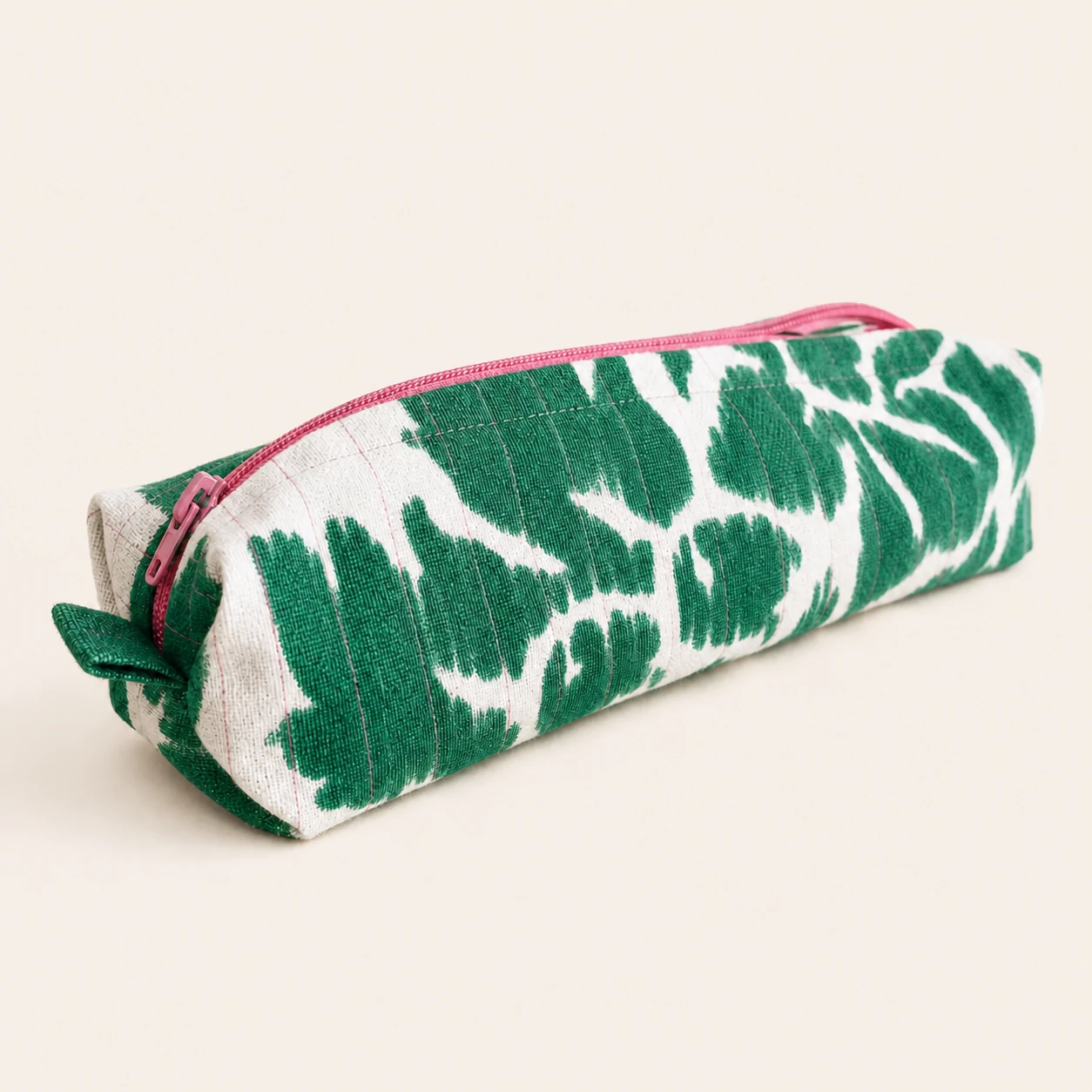
Made from an unused dinner napkin.
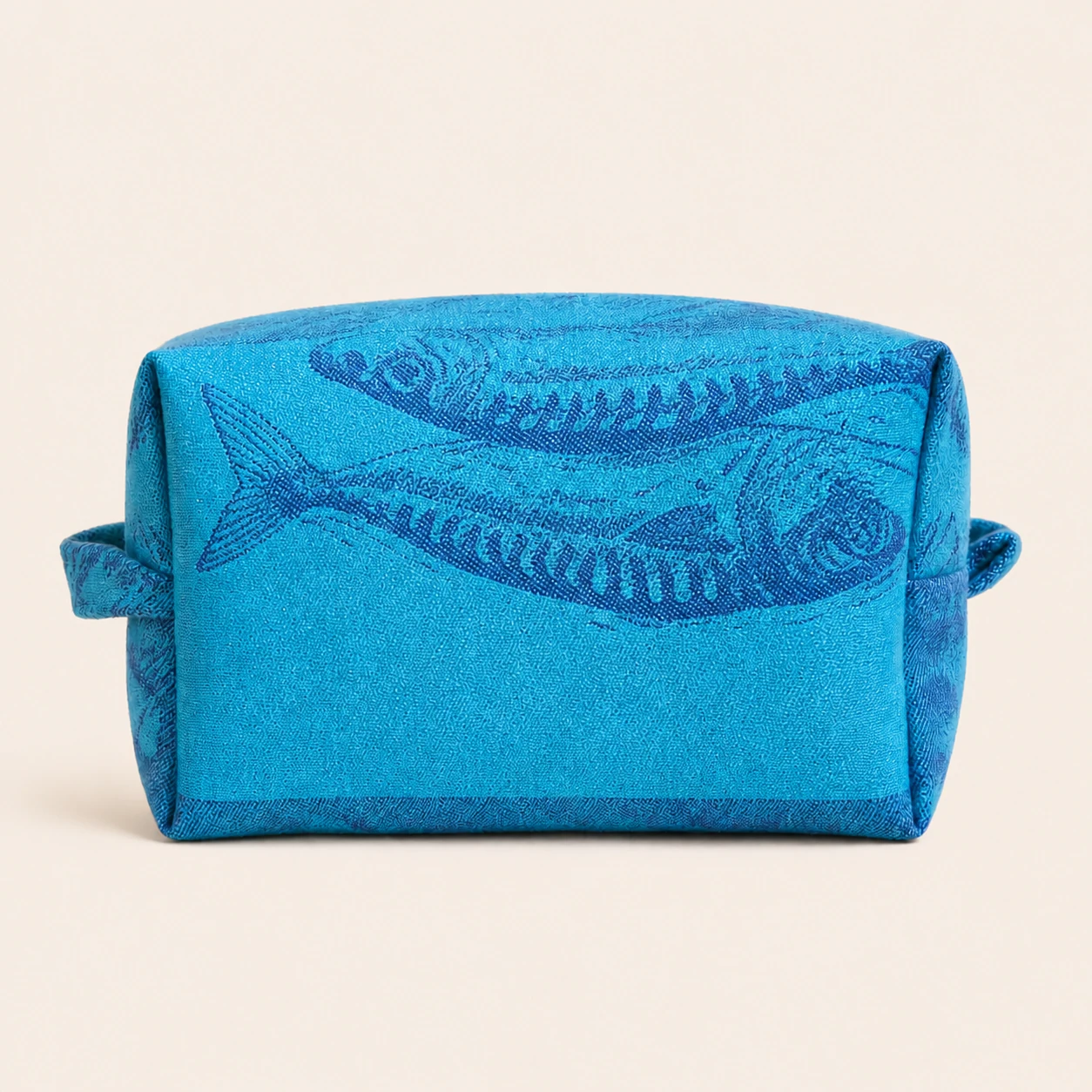
Made from a Garnier Thiebaut jacquard tea towel.
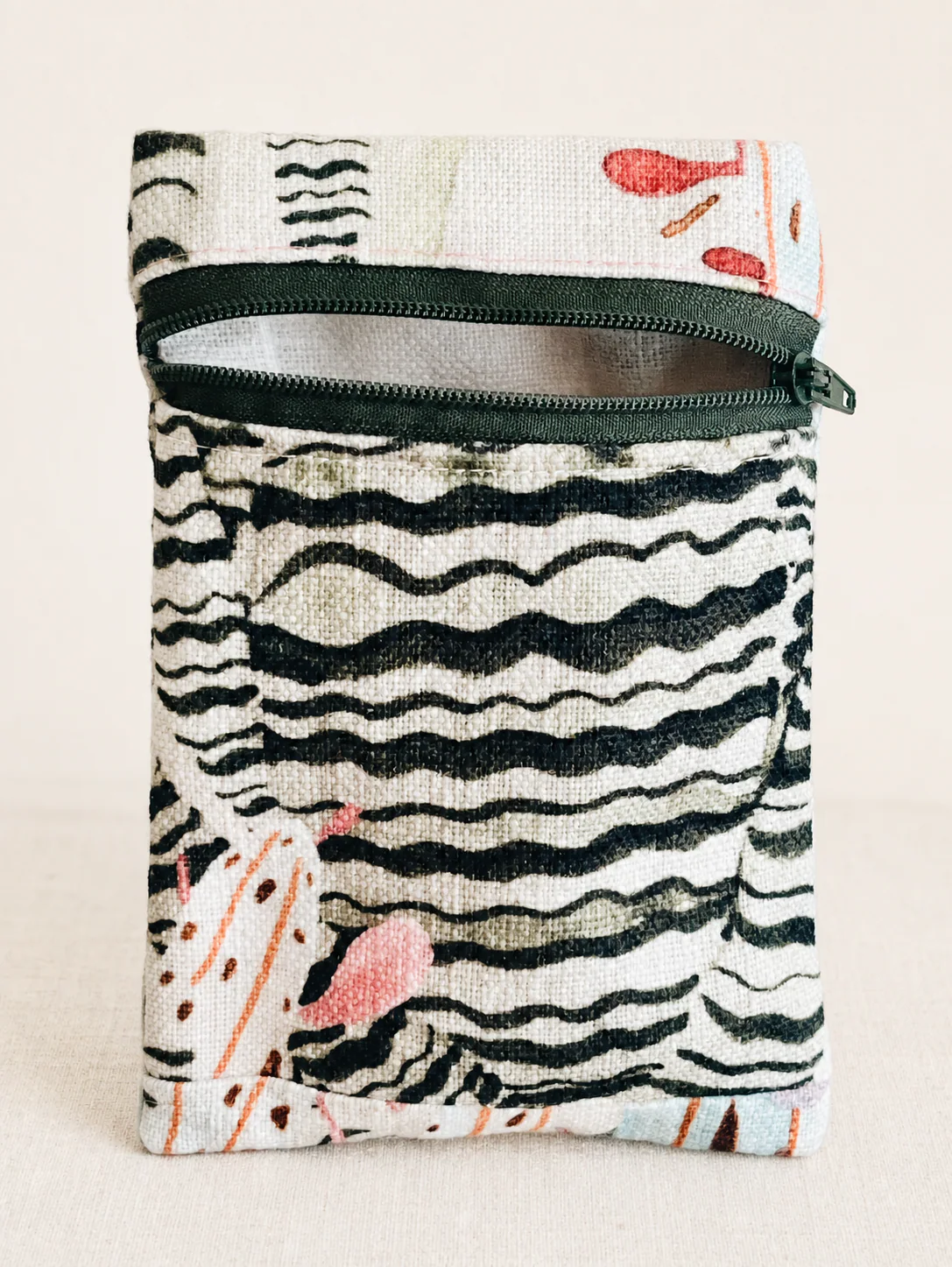
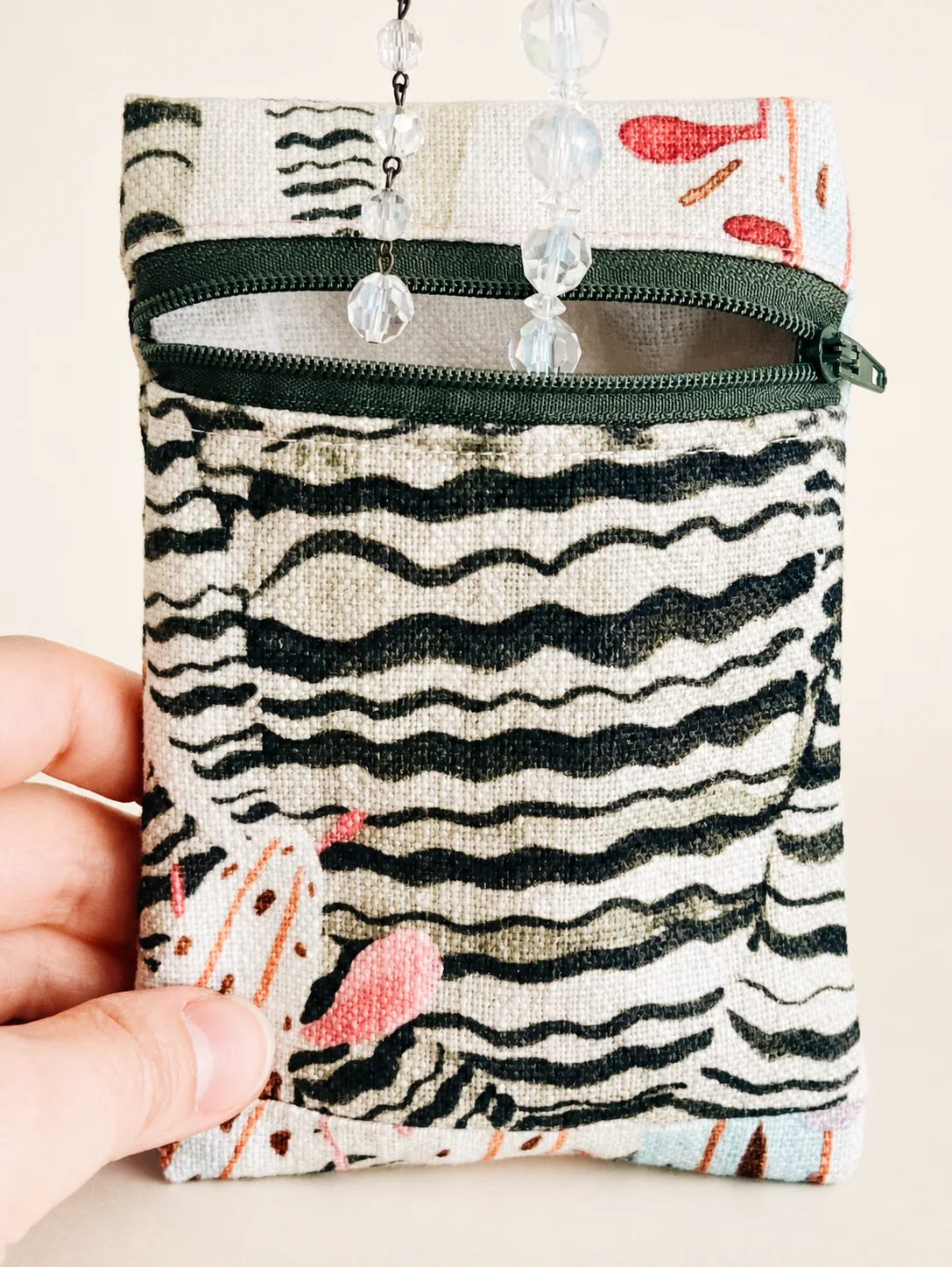
Made from a soft, cotton slub remnant upholstery fabric
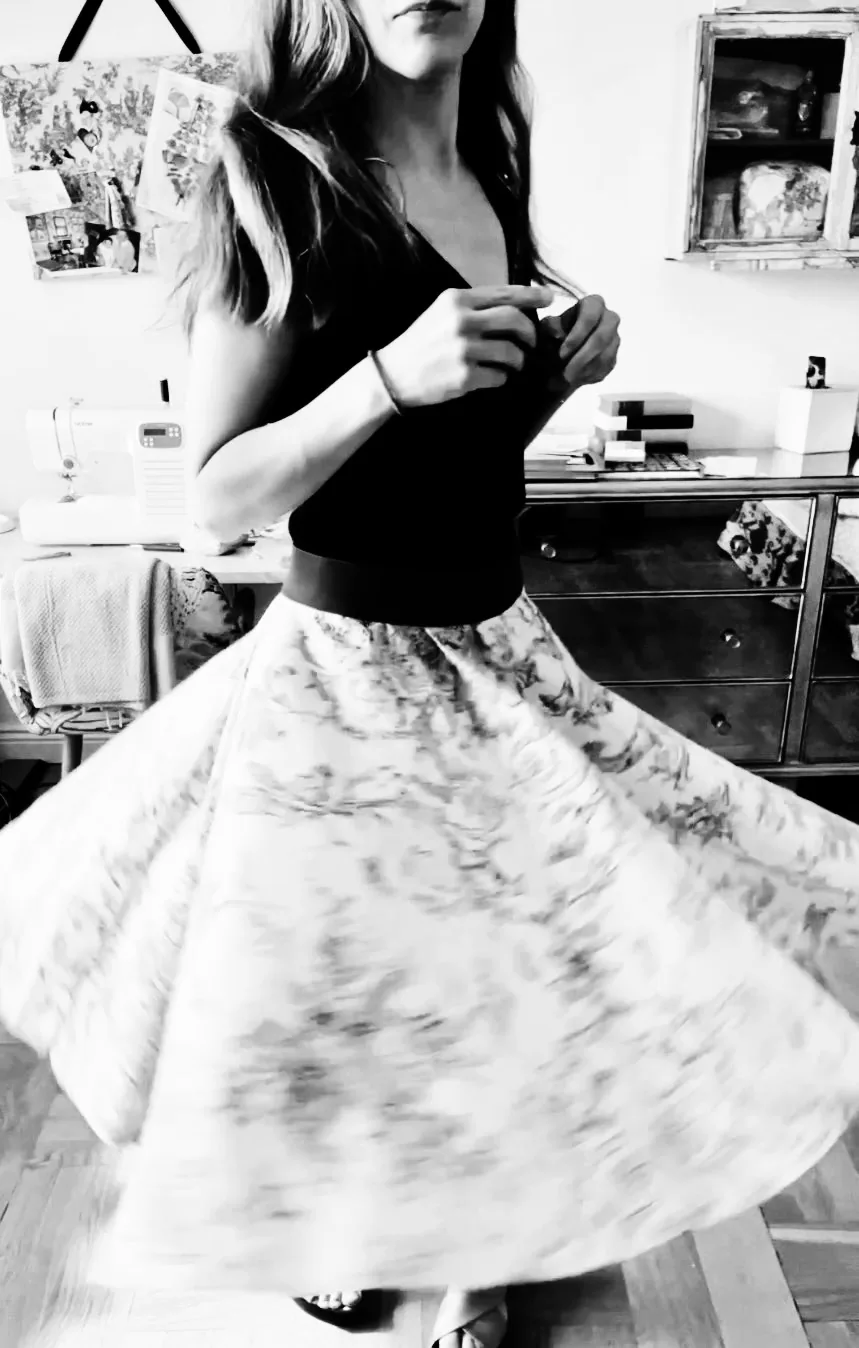
Before Chancel Studio, I was a chief sustainability officer, immersed in questions about resource scarcity. At home, meanwhile, I was trying to make my surroundings more joyful. Over time, I taught myself to sew, upholster, and paint.
There was often a temptation to buy new fabric, tools, or supplies—like a zipper in exactly the right color. But I kept returning to the idea that the raw materials for my creativity were all around me. My home turned out to be full of forgotten textiles I had never considered using. The first Chancel Studio pouches, for example, began as beautiful jacquard towels sitting unused in a kitchen drawer because they felt too special for drying dishes.
That revelation shaped how I design today: I begin with what is already available to me.
Everything you see here began with something that had a previous life—like a pair of jeans that hung unworn in my closet because they fit too snugly, or a tablecloth I was given that didn’t fit my dining room table. Chancel Studio gives these things a new form and a new use.
For product questions, shipping notes, trade inquiries, or help choosing a piece, send a note directly.
Available pieces ship from New York within 3-5 business days after checkout. Checkout is handled securely through Stripe.
Because each piece is handmade, one-of-a-kind, or small-run, slight textile irregularities and pattern placement are part of the object. Returns are accepted within 7 days of delivery for unused pieces in original condition; the buyer is responsible for return shipping.